

 Suche
Suche
 Mein Konto


AfterI was diagnosed with a prolapse problem, my doctor prescribed a hormonal cream and I had a vaginal suppository inserted.
I've been trying to get used to it and sometimes I forget it's there, but sometimes I find it uncomfortable.
How successful are these devices and are there alternatives?
Within the pelvis is a “hammock” of muscles and ligaments called the pelvic floor, which in women supports the uterus, bladder and rectum.
When these muscles are weak, as can occur with aging, obesity, and after pregnancy, they don't hold everything in place as well as they should, so downward displacement can occur.
This is what doctors call a prolapse, and it's a common problem. The term prolapse actually encompasses a variety of topics depending on which organ is affected and the extent to which it “prolapses”.

After I was diagnosed with a prolapse problem, my doctor prescribed a hormonal cream and I was given a vaginal suppository. How successful are these devices and are there alternatives?
If there is a significant prolapse, the uterus may noticeably bulge out of the vagina. The type and extent of prolapse influences symptoms, which may include heaviness, a pulling sensation, a lump sensation, bladder symptoms, incontinence, and pain during intercourse.
A vaginal ring is a way to support prolapse for people who do not want surgery. It's usually a doughnut-shaped plastic device that sits at the top of the vagina and holds everything in place.
It needs to be fitted by a doctor and often takes a few tries to get the right size. Hormone replacement therapy creams containing estrogen are used in parallel to keep tissue comfortable and healthy.
Gynecologists recommend pelvic floor exercises to strengthen the pelvic floor muscles, which are even more effective if a trained pelvic physiotherapist is present.
Losing weight and avoiding constipation are also important.
There are many surgical options for prolapse, depending on symptoms and overall health, and this is a discussion with a gynecologist.
The infamous vaginal mesh surgeries were performed for prolapse, but are now only performed as part of research due to complications they caused. Other surgical options are available and new techniques are constantly being developed.
For the last four weeks I have been suffering from very loose, floating stools.
They also occur more frequently than I'm used to and sometimes I find I've leaked, which is worrying. I don't have any pain, but this isn't normal for me.
Should I pluck up the courage to see a GP if something serious is going on?
A significant change in bowel habits like this is definitely a reason to see a doctor.
The concern is that something is wrong with the pancreas, a gland in the abdomen that produces enzymes that break down food.
One of these enzymes is the one we need to digest fat. Without it, the fat we eat stays in the intestines and ends up in the stool.
The medical term for this problem is called steatorrhea and can be a sign of pancreatic cancer. It can also be a sign of pancreatitis, in which the pancreas is inflamed, sometimes from gallstones.
Steatorrhea is also a sign of celiac disease, an inflammatory bowel disease that can occur in people with cystic fibrosis, a genetic disorder that affects the function of many organs.
To find out the cause, urgent tests need to be carried out to look for all of these things.
The best type of scan to examine the pancreas is a CT scan, but normally a GP would start with an ultrasound as it is easier to obtain.
After eating, I notice that I'm sweating profusely for about an hour - all over my body.
My GP ran some tests which showed I had high blood sugar.He knows I don't like taking pills, so he suggested a diet.
Do you think this will fix it?
Sweating after eating, known as gustatory sweating, is normal after eating spicy and spicy foods.
But if it happens regularly, it could be a sign of an unusual condition associated with nerve damage — and particularly damage to the nerves in the mouth.
This can occur after surgery or an injury and can also be a side effect of some medicines.
We also see nerve problems in cancer when a tumor presses on a nerve.
It is associated with vitamin B12 deficiency and also in heavy drinkers.
And yes, it can also be the result of diabetes, which is actually the most common cause of problems with autonomic nerves - the nerves that control involuntary movements like breathing, heart rate and sweating.
To assess this type of problem, nerve function tests must be arranged. These are usually carried out in hospital.
An unusual symptom like this warrants more testing than a blood test, especially if it is new and persistent.
Depending on the results of the nerve test, scans may also be necessary.
If all sinister causes are ruled out, medication or treatment may be worth considering if it is very distressing.
This would be done under specialist guidance with a referral to hospital.
Specific treatments may include a cream or tablet that blocks the nerves to the sweat glands, or Botox injections, which have been shown to reduce sweating in the area where they are administered.
Only more dentists will fix our oral health crisis
Have you recently had an appointment with your NHS dentist?
I have read endless reports of people across the country waiting months for dental treatment.
And I've also heard horror stories, like patients who had their own rotten teeth pulled out with pliers and teenagers who had to wait two years to be treated for excruciating toothache.
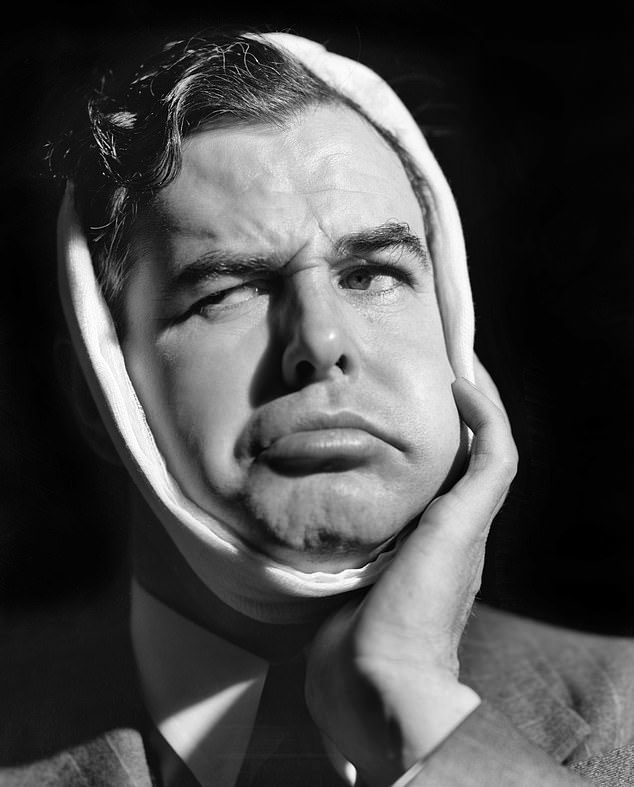
Have you recently had an appointment with your NHS dentist? I have read endless reports of people across the country waiting months for dental treatment
The government has blamed the backlog on the pandemic and poured £50 million into NHS dentists' resources so they can see more patients.
But the real problem is that there are simply not enough dentists in certain areas.
I have read about patients who live in rural Scotland having to travel hours to get an appointment with the only dentist in the area. And when the dentist is sick, there's nowhere to turn.
How long have you been waiting to see a dentist? Write and tell me.