

 Suche
Suche
 Mein Konto


Severely overweight patients are being offered groundbreaking NHS surgery that could help them lose up to six stone in six months - reducing their risk of diabetes, high blood pressure, heart attacks and strokes.
In this procedure, the stomach walls are stitched together and reduced in size by about three quarters.
When the patient eats afterwards, his body signals that the stomach is full much faster than normal. But patients are warned that if they overindulge, the stitches can break and the stomach can spring back to its original size.
Because the success of the procedure also depends on a patient's willpower, surgeons claim it is more successful than other more invasive methods.
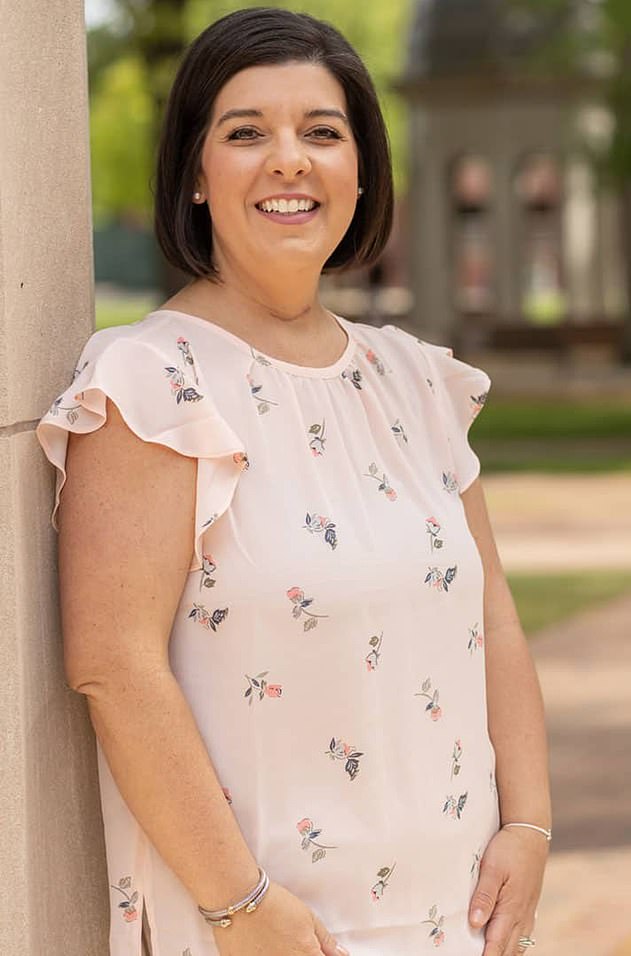
Hillary Liles (above, today), a 38-year-old therapist from North Carolina, realized drastic measures were needed in early 2020 when she found herself 18 stone too tall to enjoy the rides during a trip to Disneyland
Patients who underwent the operation, called endoscopic sleeve gastrectomy, lost an average of 50 percent of their body weight, and study results showed eight out of 10 patients had managed to keep the weight off after two years.
Government data shows that around 64 per cent of adults in the UK are now overweight or obese. Weight loss surgery is available on the NHS for patients with a body mass index (BMI) of more than 40 - a healthy level is around 18 to 24 - although they must have previously exhausted all other weight loss methods.
Previously, severely obese patients were offered a procedure called a formal sleeve gastrectomy, in which the stomach is cut and stitched to become a small tube.
But in ten percent of cases, the stomach stops producing the digestive chemicals essential for absorbing vitamin B12. This leads to anemia, a lack of red blood cells in the body that causes extreme fatigue, shortness of breath, and a variety of other problems.
Now surgeons at University College London Hospitals NHS Foundation Trust who have offered the new endoscopic sleeve gastroplasty procedure - the only NHS hospital to do so - hope its proven success will convince health chiefs to roll it out across the country.
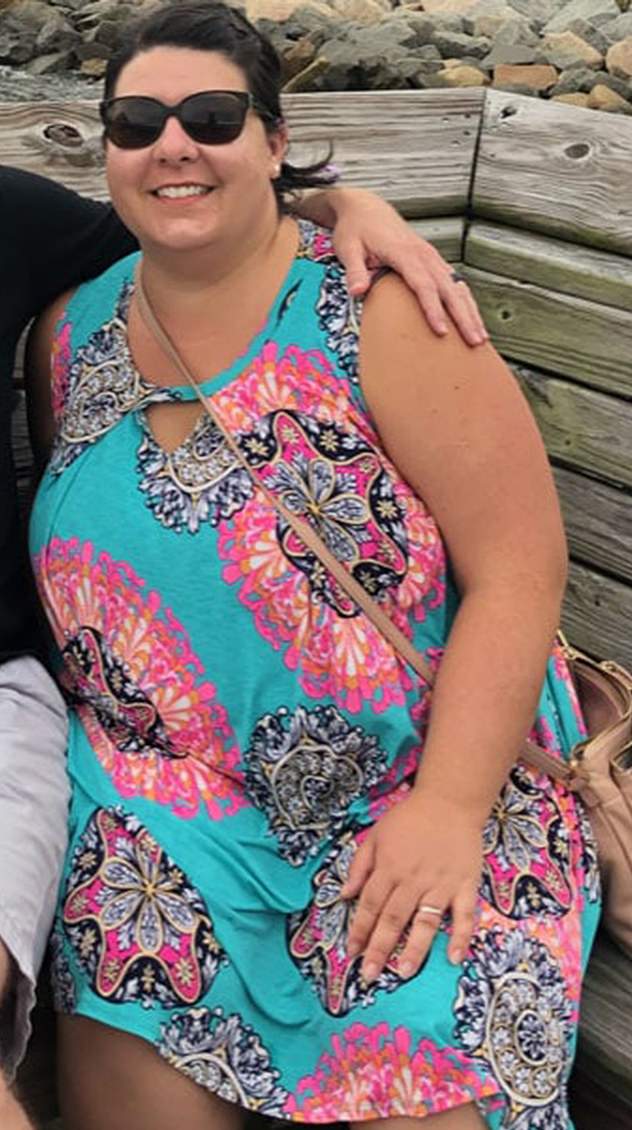
Hillary, pictured, before her operation as she finally reached 18 stone. Severely overweight patients are being offered groundbreaking NHS surgery that could help them lose up to six stone in six months - reducing their risk of diabetes, high blood pressure, heart attacks and strokes
Consultant gastroenterologist Mr Rehan Haidry said: "We are at a turning point in the treatment of patients with obesity. With endoscopic sleeve gastroplasty, the risk of side effects is very low and patients can go home the same day."
Other reversible weight loss procedures include gastric banding, which involves implanting a ring around the stomach, limiting the amount that can be eaten.
However, Mr Haidry explains that the procedure has been phased out over the past five years because, although it can help patients lose between 50 and 60 percent of excess body weight within two years, more than nine out of 10 patients gain the weight back later. Adjusting the band also required surgery with incisions in the abdomen.
The new surgery does not involve cutting or removing the stomach. Instead, instruments inserted through the mouth are used to grasp a section of the stomach wall, which is stitched together, making it smaller.
“If a patient repeatedly overeats, the stitches break and the stomach returns to its normal size,” explains Mr. Haidry. "But we see remarkable results in weight loss because part of the treatment is educating them about how they'll get back to square one. This helps them control their urge to overeat."
During the procedure, which is performed under general anesthesia and lasts about an hour, the surgeon inserts a tiny camera attached to a long flexible tube called an endoscope through the patient's mouth and down into the patient's stomach.
There is also a device called ApolloSX attached to the endoscope, which helps the surgeon plan the operation, grab parts of the stomach wall and place sutures through them. The threads are made of a non-absorbable nylon-based material that is resistant to stomach acid.
“With four to six stitches, you crisscross your path from the bottom of the stomach to the top,” says Mr. Haidry. "This changes its shape from an oval to a banana. Most people can go home the same day and be back to work within a week.
"Sleeve gastrectomy required patients to stay in hospital for a week, with a recovery time of up to a month. The new procedure is quicker, meaning it will help us manage waiting lists."
Currently, patients can wait up to two years for weight loss surgery, which can lead to a variety of health problems, including diabetes and high blood pressure, or trigger heart attacks and strokes.
Hillary Liles, a 38-year-old therapist from North Carolina, realized drastic measures were needed in early 2020 when she found herself 18 stone too tall to enjoy the rides during a trip to Disneyland.
She contacted a private clinic, True You Weight Loss where the gastroenterologist Dr. Christopher McGowan performed endoscopic sleeve gastroplasty.
“I realized that the procedure was a solution that was somewhere between a diet and weight loss surgery – less invasive, but serious enough to be a really good tool,” says the mother of one. Within nine months she had lost six stone.
“Now I can work in the garden again without feeling like I’ve been hit by a truck,” she adds. "I'm also sleeping better and enjoying fitting into smaller clothes. But I find that I still avoid looking in the mirror - it's like I still haven't realized what a big deal this is."