

 Suche
Suche
 Mein Konto
New evidence shows that e-cigarette use alters breathing but does not affect lung function

A recently published study in NPJ Primary Care Respiratory Medicine showed that vaping increases airway resistance but does not impair lung function. Learning: A systematic review of the effects of e-cigarette use on pulmonary function. Photo credit: LezinAV/Shutterstock Background In recent years, the use of electronic cigarettes (or vaping) – considered a safer alternative to traditional cigarettes – has had a huge impact on the tobacco industry. However, there is evidence of the harmful effects of vaping on the respiratory system. In e-cigarettes, nicotine combustion is replaced by the electronic heating of a liquid. Some manufacturers claim that e-cigarettes have less negative respiratory effects than...

New evidence shows that e-cigarette use alters breathing but does not affect lung function
A recently published study in npj primary care respiratory medicine showed that vaping increases airway resistance but does not impair lung function.
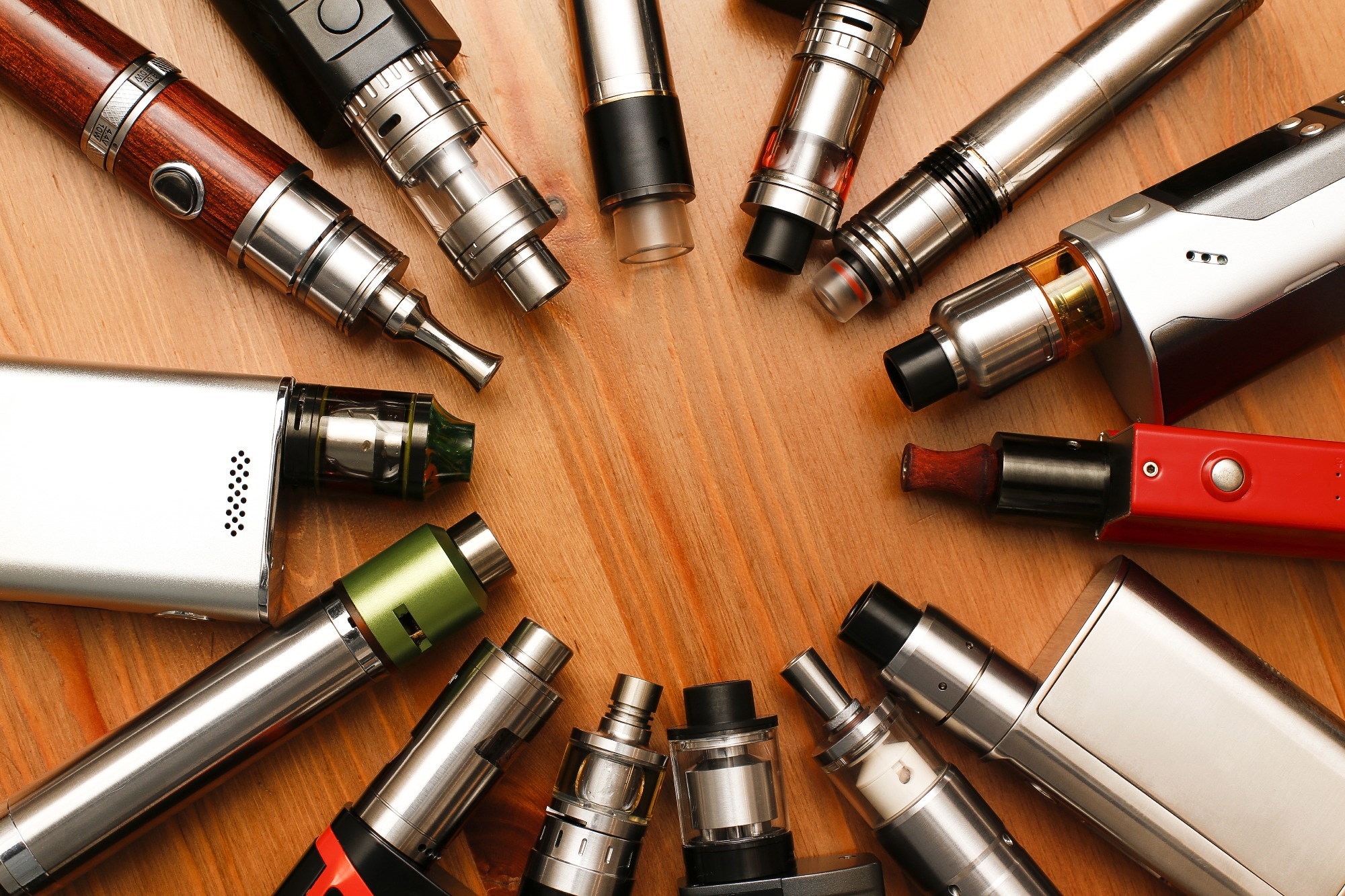
Lernen: Eine systematische Überprüfung der Auswirkungen des E-Zigarettengebrauchs auf die Lungenfunktion. Bildnachweis: LezinAV/Shutterstock
background
In recent years, the use of electronic cigarettes (or vaping) – considered a safer alternative to traditional cigarettes – has had a huge impact on the tobacco industry. However, there is evidence of the harmful effects of vaping on the respiratory system.
In e-cigarettes, nicotine combustion is replaced by the electronic heating of a liquid. Some manufacturers claim that e-cigarettes have fewer negative respiratory effects than smoking tobacco.
E-cigarettes have been tested as an alternative to tobacco smoking in addiction treatment - as an aid to quitting smoking. It was once considered less harmful to health than traditional cigarettes, but the negative effects of vaping on the lungs are now well known.
The emergence of e-cigarette and vaping-associated lung disease (EVALI) has raised concerns about the short-term respiratory effects of vaping, particularly when cannabis or tetrahydrocannabinol (THC)-containing products are used in e-cigarettes. Given this evidence, the safety of e-cigarette use and its effectiveness remain controversial. Therefore, an extensive study was conducted to examine the effects of vaping on lung function.
The study
This systematic review included a comprehensive analysis of how vaping affects lung function. The aim of this review was to obtain information about the short-term effects of vaping and vaping-associated lung disease (EVALI) to determine the safety of vaping for short- and long-term use.
A study protocol was created and entered into the PROSPERO database for systematic reviews. The systematic review was conducted based on the recommendations of the Preferred Reporting Items for Systematic Reviews and Meta-Analyses (PRISMA).
Using Ovid, Cochrane, Web of Science Core and the CENTRAL database, researchers searched EMBASE, PsycINFO and MEDLINE from 2004 to 2021 - to identify 8,856 potentially relevant studies.
A total of 273 participants were included in the eight selected studies. Seven studies examined the immediate effects of vaping, while only one examined the long-term effects.
The results
According to the literature search, only eight small studies addressed this topic; Among them, one study examined long-term outcomes (3.5 years). These studies found that vaping was not associated with acute health changes.
On the other hand, two studies revealed that e-cigarettes could accentuate airway resistance and conductance in different demographic subgroups. Due to the limited number of studies available on this topic and because most focus on the acute effects of vaping, these results are suggestive but not conclusive and further research is necessary.
There were some other limitations to the interpretability of the results – three of the included studies had an unknown risk of bias, four had a moderate risk of bias and one had a high risk of bias.
Furthermore, due to data heterogeneity, neither subgroup analyzes nor a meta-analysis were performed in this review. This search included only a small number of studies due to differences in study designs, definitions of e-cigarettes, and participants' smoking status.
According to some studies, the term "non-vaper" includes both traditional smokers and non-smokers - this resulted in conflicting data and a failure to differentiate participants according to their conventional smoking status.
Results showed no effect of vaping on forced expiratory volume in one second (FEV1), forced vital capacity (FVC), and FEV1/FVC ratio.
Some studies also used a sham vaping session using either an e-cigarette without e-liquid or secondhand smoke. It is noteworthy that most studies were conducted only on smokers, without a comparison group of non-smokers.
It would be beneficial to conduct future research on subgroups based on smoking or vaping levels to allow for more precise quantitative analysis.
Reference:
- Honeycutt, L., Hürne, K., Miller, A., et al. (2022). Eine systematische Überprüfung der Auswirkungen des E-Zigarettengebrauchs auf die Lungenfunktion. npj Primärversorgung Beatmungsmedizin. doi: 10.1038/s41533-022-00311-w https://www.nature.com/articles/s41533-022-00311-w
.