

 Suche
Suche
 Mein Konto
What are the effects of cannabis use in adolescence?

Cannabis is known to be one of the most commonly consumed psychoactive substances worldwide. Previous studies have reported that cannabis users make up approximately 4% of the global population, with most users aged between 15 and 64. The cannabis plant is made up of microscopic projections known as trichomes, from which a variety of concentrates are produced through homemade or commercial extraction methods. Learning: Highly potent cannabis use in adolescence. Image credit: Yarygin/Shutterstock Concentrates can range in consistency from liquid to solid and most commonly contain cannabidiol (CBD) and δ-9-tetrahydrocannabinol (THC). THC primarily contributes to the psychoactive effects of cannabis. In addition, there is…

What are the effects of cannabis use in adolescence?
Cannabis is known to be one of the most commonly consumed psychoactive substances worldwide. Previous studies have reported that cannabis users make up approximately 4% of the global population, with most users aged between 15 and 64.
The cannabis plant is made up of microscopic projections known as trichomes, from which a variety of concentrates are produced through homemade or commercial extraction methods.
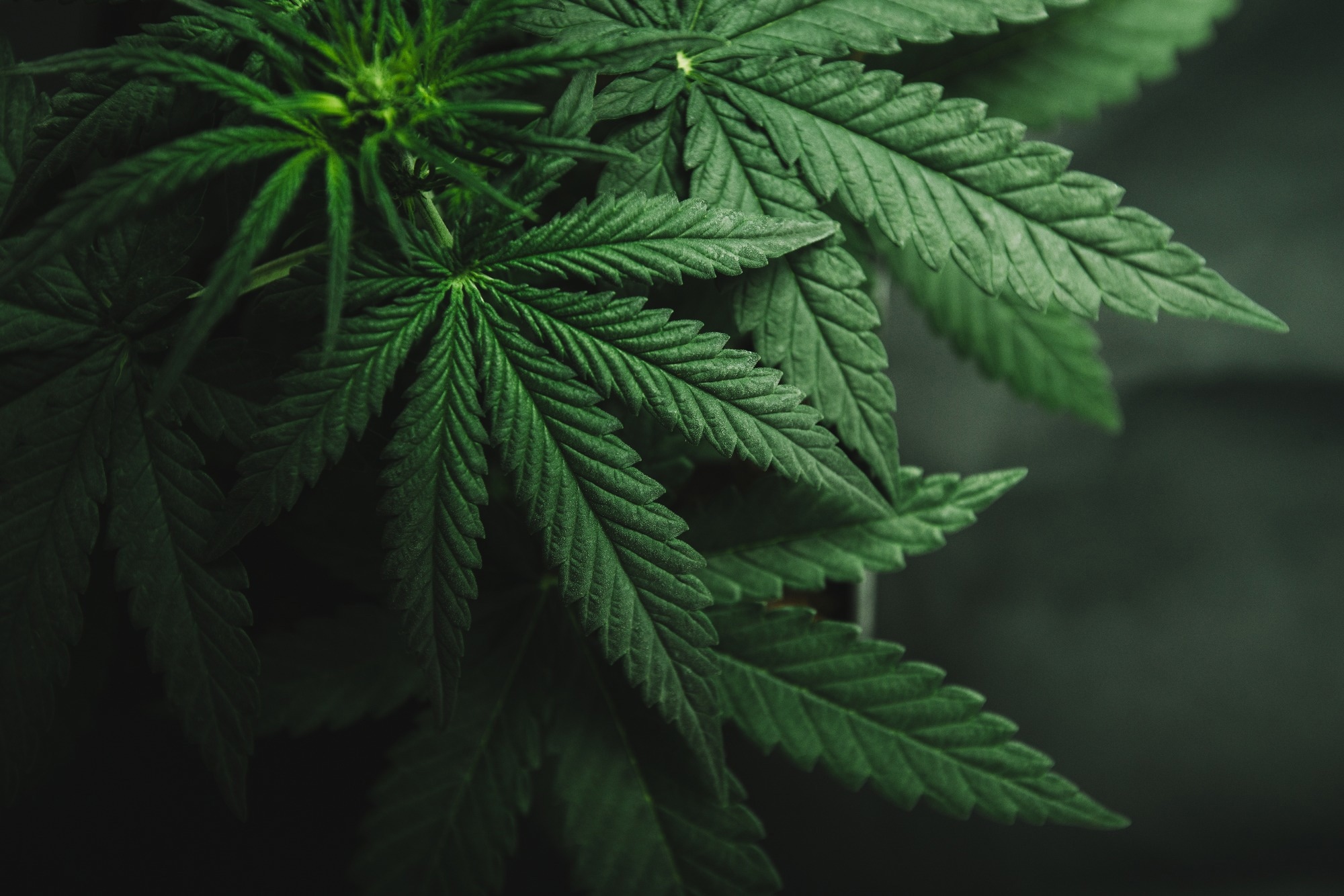
Lernen: Hochpotenter Cannabiskonsum im Jugendalter. Bildnachweis: Yarygin/Shutterstock
Concentrates can range in consistency from liquid to solid and most commonly contain cannabidiol (CBD) and δ-9-tetrahydrocannabinol (THC). THC primarily contributes to the psychoactive effects of cannabis. Additionally, there are two types of cannabis concentrates, solvent-free and solvent-based. Solvent-based concentrates are reported to contain a higher concentration of THC compared to non-solvent concentrates. Flammable solvents such as butane are also reported to produce concentrates high in THC. CBD, on the other hand, is a less psychoactive component of cannabis and can block the psychotogenic effects of THC.
Physicians must be aware of the potency and method of consumption of the wide variety of cannabis products. Dry cannabis is primarily consumed as a joint, spliff or blunt, while topical cannabis such as creams are not used to get high. Cannabis-infused products such as baked goods, frozen foods, beverages, and candy are known as edibles, which have variable THC content along with slower systemic absorption. Vaporizers (such as vape pens or e-cigarettes) or dabs (sticky, resin-like concentrates) can be used to consume cannabis concentrates and oils.
However, regardless of the product, there has been a steep increase in THC concentrations worldwide. The average THC concentration of illegal cannabis seized in the US by the Drug Enforcement Administration (DEA) was found to have increased from 10% in 2009 to 14% in 2019. In addition, the increase in THC concentrations in cannabis concentrates is said to be even higher.
A new review published in The Journal of Pediatrics aimed to summarize the use of cannabis among adolescents, its negative health effects and interventions to stop or reduce its use.
Cannabis use in adults
Although high levels of substance use have been reported among young adults ages 18 to 24, approximately 14 million students ages 15 to 16 used cannabis last year. Cannabis use is highest among young people in the United States compared to other continents. High and frequent cannabis use during adolescence is reported to increase the risk of cannabis use disorder and cause several associated complications.
Aside from smoking, teens are also reported to use other forms of cannabis, such as: B. Vaping oils, edibles and others. Additionally, rates of cannabis smoking were found to decrease and edibles and vaping use increased from 2015 to 2018. Cannabis vaping most often uses cannabis concentrates, the THC content of which can be up to 95%, which is much higher than that in smoked forms. Studies have shown that increased cannabis vaping is associated with growth in vape pen and e-cigarette use. However, many young people perceive that the use of cannabis and vaping poses a lower risk compared to other substances and their consumption methods.
Clinical effects of cannabis use
Higher potency cannabis products have been found to have earlier and negative health effects compared to lower potency products. Chronic use of cannabis has been reported to cause anxiety, depression and psychotic symptoms. A multinational study showed that using high-potency cannabis by age 15 resulted in twice the risk of psychosis. Additionally, daily cannabis users are more likely to develop psychotic disorders, with daily users of high-potency cannabis at the highest risk.
Additionally, harmful effects of cannabis on ongoing brain development and adolescent fertility have been observed. Cannabis has also been found to impair cognition in the short term, impair driving ability, and cause sleep disturbances, acute paranoia, delusions, and hallucinations. Many studies also report acute physical harm from using high-potency cannabis. Consumption of high-potency cannabis may also result in an increase in the frequency of cannabis use compared to consumption of low-potency cannabis, leading to early onset of symptoms of cannabis use disorder. However, several additional harms specific to the method of cannabis consumption have also been identified.
Screening
All adolescents are recommended by the American Academy of Pediatrics and the Substance Abuse and Mental Health Services Administration to receive Screening, Brief Intervention, and Referral to Treatment (SBIRT) as part of their routine health care. Many screening tools can help screen youth for cannabis use, such as CRAFT (Car, Relax, Alone, Forget, Friends, Trouble; updated cannabis use question in version 2.1), S2BI (Screening to Brief Intervention), and BSTAD (Brief Screener for Tobacco, Alcohol and Other Drugs).
In the case of identifying cannabis use, clinicians need to ask questions about the form of cannabis use, its potency, frequency, context, motives and intensity of use. You also need to ask questions about the presence of cannabis-related harm. Additionally, symptoms of other mental and medical health disorders related to substance use must also be assessed.
Interventions and harm reduction for cannabis use
Doctors must respond according to the results of the screening. Counseling techniques can increase their commitment and motivation to stop or reduce consumption. In the case of adolescent use of low-potency cannabis, clinicians may use an elicit-provide-elicit approach, in which the adolescent is provided with knowledge about the risks of cannabis use in a non-judgmental manner, as well as an understanding of the adolescent's views on the information provided.
In the case of high-potency cannabis use during the last 12 months, clinicians must take measures whose main goal must be abstinence. However, for some adolescents, focusing on abstinence can lead to the stigma surrounding treatment and further withdrawal. Clinicians must therefore implement harm reduction measures to reduce the use of high-potency cannabis among adolescents who choose not to abstinence. Clinicians must also use motivational interviewing to understand the context of the adolescent's cannabis use, understand areas for implementing behavior change, and build rapport with them. In the event that the adolescent does not want or is not ready to give up cannabis, clinicians must attempt to assess his or her openness to switching to a low-potency cannabis product.
Additionally, clinicians can also discuss the CBD:THC ratio of the cannabis product as a means of harm reduction. Multiple studies have shown that CBD can reduce the harmful effects of THC on cognition, psychotic symptoms, and anxiety. Clinicians can review cannabis product labels with youth to assess their exposure and adjust their behavior to reduce harm. Clinicians must also advise adolescents not to drive for at least 6 hours after smoking cannabis.
Clinicians can also refer youth who use cannabis more frequently to specialized programs that include partial, inpatient, and outpatient programs. Additionally, parents can also play an important role in harm reduction and cessation of cannabis use. If there are acute safety concerns, doctors can share safety planning with parents or guardians. However, before doing so, they must discuss with the young person the details and benefits of disclosure. In addition, parental or guardian consent may be required for participation in substance use treatment.
Medical cannabis
Restrictions and requirements for purchasing medical cannabis are reported to vary by location. The benefits of medical cannabis in a pediatric setting is an important area of research. They can be used to treat seizures as well as vomiting and nausea induced by chemotherapy.
However, obtaining medical cannabis cards has been found to be associated with more frequent cannabis use in the United States. Individuals with a medical cannabis card reported higher rates of negative consequences from cannabis use. They are also said to have driven under the influence of cannabis. Therefore, the negative health effects of high-potency cannabis use remain regardless of whether the cannabis was obtained illegally or from a medical cannabis dispensary.
Conclusion
Cannabis use can have a negative impact on adolescents and lead to early onset of symptoms of cannabis use disorder. Although abstinence is ideal, physicians must work with adolescents to reduce the risk of cannabis use. Clinicians also need to develop tailored assessments, interventions, and supports to reduce the risk of harm in adolescents who use high-potency cannabis products.
Reference:
- Vargas, G. et al. (2022). Hochpotenter Cannabiskonsum im Jugendalter. Das Journal of Pediatrics. doi: https://doi.org/10.1016/j.jpeds.2022.07.034. https://www.sciencedirect.com/science/article/abs/pii/S0022347622007028.
.