

 Suche
Suche
 Mein Konto
What are the effects of children eating vegetables at breakfast?

Eating vegetables is important for children's health and development. Several economically developed countries have implemented public health strategies that promote vegetable consumption in early childhood. This is necessary because inadequate consumption of vegetables can affect well-being, health and development. Learn: Would offering vegetables to children for breakfast increase their total daily vegetable intake? Image credit: asiandelight/Shutterstock Research has shown that fewer than one in five children in the UK consume five servings of fruit and vegetables a day, which is the recommended intake. In addition, it was found that each…

What are the effects of children eating vegetables at breakfast?
Eating vegetables is important for children's health and development. Several economically developed countries have implemented public health strategies that promote vegetable consumption in early childhood. This is necessary because inadequate consumption of vegetables can affect well-being, health and development.
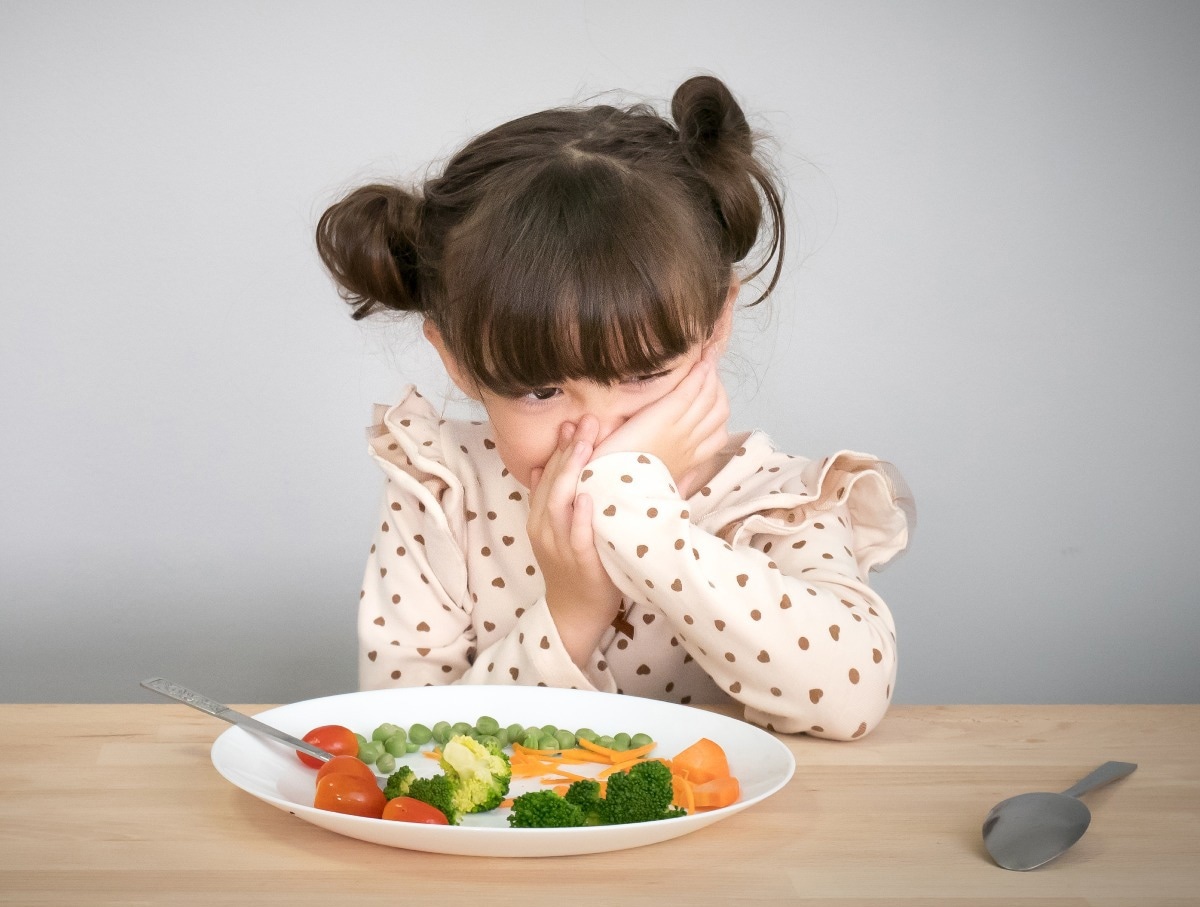
Lernen: Würde das Angebot von Gemüse an Kinder zum Frühstück ihre tägliche Gesamtgemüseaufnahme erhöhen? Bildnachweis: asiandelight/Shutterstock
Research has shown that fewer than one in five children in the UK eat five portions of fruit and vegetables a day, which is the recommended intake. In addition, it was found that one in three children between the ages of five and ten consumes less than one serving of vegetables per day. Similar data have also been obtained from other Westernized countries. Feeding children high-energy, palatable foods and deficient in vegetables and fruits is a serious problem as it can cause non-communicable diseases such as cardiovascular disease, obesity and certain cancers.
A new study published in the Public Health Nutrition The aim was to find effective and appropriate ways to increase children's daily vegetable consumption.
How do we increase children's vegetable consumption?
Several studies have developed practical guidelines to highlight the importance of exposing children to vegetables at an early age. One of the studies found that the children of mothers who drank carrot juice during pregnancy were more likely to eat carrots than those who did not. Another study showed that exposing children to raw vegetables during complementary feeding may increase their consumption in later childhood.
However, it may take up to 15 attempts to try a food before children start to like it. Although children's exposure to vegetables can occur through the addition or masking of other foods, repeated exposure is necessary for them to begin to like the taste of vegetables.
It has been found that most children have not met the World Health Organization's recommendations on vegetable and fruit consumption over the past two decades. The policies and strategies developed by many countries in this regard have proven ineffective in increasing children's daily consumption of vegetables. Therefore, pragmatic and innovative approaches need to be improved to increase children's vegetable intake.
Food-to-food associations
Breakfast in various countries around the world, especially in westernized countries, is known to include high glycemic index foods. Consumption of such foods occurs in the morning for breakfast due to social norms and cultural influences regarding food choices and time restrictions. This leads to the development of diet-related routines that determine the appropriateness of consuming certain foods at a given time.
Food-to-meal associations can play a significant role in influencing people's eating behavior, so eating a particular food out of context can influence how it is perceived and eaten. However, an important fact that must be taken into account is that the nutritional composition of the food remains unchanged regardless of where and when it is consumed. Whether a particular food is consumed and how it is consumed depends on the context or time in which it was eaten.
Offer vegetables to children at breakfast
Although vegetable consumption in children is associated with evening meals, lunches and snacks, there is no medical, physiological or nutritional reason why it should not be offered during breakfast. Only a few countries worldwide, such as Japan, China, Finland and Romania, have similar breakfast, lunch and dinner dishes that contain vegetables.
Additionally, offering vegetables at breakfast to children is set to be part of current government guidelines in England.
Eating vegetables for breakfast may be a useful public health intervention for several reasons. It can increase children's daily vegetable intake. There is no negative connection between breakfast time and vegetable consumption. It has been observed that primary caregivers and those belonging to a child's social network play a significant role in setting norms for vegetable consumption.
Additionally, preschool/kindergarten and other early childhood learning environments before school may be important in normalizing vegetable intake for breakfast. Vegetables can be added to breakfast along with other typical breakfast foods or replace the usual breakfast foods to improve children's health.
Effects of children's vegetable consumption at breakfast
Previous research has shown that increasing vegetable offerings in a child care setting can increase consumption and familiarity. Offering vegetables to children for breakfast is reported to improve children's learning that eating vegetables for breakfast is a typical behavior, exposure, and willingness of children to eat vegetables. It may also help to increase their vegetable exposure at other times of the day.
Therefore, national policy makers and accreditation bodies worldwide need to develop a strategy to disseminate the information and implement guidelines for the inclusion of vegetables for breakfast in all kindergartens/nurseries.
In addition, other issues related to the day-to-day implementation of such a proposal also need to be taken into account. For example, some parents are reluctant because eating vegetables for breakfast would require higher costs and more preparation time. The kindergarten staff is also very busy most mornings and may not have enough time to prepare vegetables for breakfast for the children.
Conclusion
It has been found that children worldwide, especially in Western countries, do not consume enough vegetables and fruits. This can have serious health effects in the first few years of life. Although politicians and governments have developed strategies, most of them have proven ineffective. One approach to increasing children's vegetable consumption may be to offer them breakfast. However, whether it is acceptable and feasible for children and their caregivers remains to be determined. Further research needs to be conducted to develop ways to increase children's daily intake of vegetables.
Reference:
- McLeod, CJ et al. (2022). Würde das Angebot von Gemüse an Kinder zum Frühstück ihre tägliche Gesamtgemüseaufnahme erhöhen? Öffentliche Gesundheit Ernährung. doi: 10.1017/S1368980022002002. https://www.cambridge.org/core/journals/public-health-nutrition/article/would-offering-vegetables-to-children-for-breakfast-increase-their-total-daily-vegetable-intake/BB38D7E06FFF1AF9F9181EBE05C716BF
.