

 Suche
Suche
 Mein Konto
World Stroke Day 2022: Why saving #valuabletime is imperative

On World Stroke Day 2022, News-Medical speaks to Dr. Patrick Brouwer, Head of Worldwide Medical Affairs at CERENOVUS, on why saving #Precioustime is crucial when it comes to detecting a stroke and seeking medical treatment. Thought leader Dr. Patrick BrouwerHead of Global Medical AffairsCERENOVUS Can you please introduce yourself and tell us about your background and your role at CERENOVUS? I am a clinician and scientist who has been working as an interventional neuroradiologist and endovascular neurosurgeon in various countries in Europe for over 20 years. I am currently working at CERENOVUS as Head of Worldwide Medical Affairs. CERENOVUS, part of Johnson...

World Stroke Day 2022: Why saving #valuabletime is imperative
Can you please introduce yourself and tell us something about your career and your role at CERENOVUS?
I am a clinician and scientist who has been working as an interventional neuroradiologist and endovascular neurosurgeon in various countries in Europe for over 20 years. I am currently working at CERENOVUS as Head of Worldwide Medical Affairs. CERENOVUS, part of Johnson & Johnson MedTech, is an emerging leader in neurovascular care and is focused on providing solutions in this area.
CERENOVUS is a global leader in neurovascular care. Can you tell us more about your main mission statement?
Strokes are the second most common cause of death worldwide. At CERENOVUS, we push the boundaries of what is possible in stroke care to deliver on our promise to change the course of stroke. This commitment is inspired by our long tradition and commitment to protecting patients from stroke-related disability, and we offer a broad portfolio of devices used in the endovascular treatment of hemorrhagic and ischemic strokes to help patients return to fully functional lives.
Strokes occur when the blood supply to part of the brain is interrupted. Can you tell us more about why a stroke occurs and what happens to brain cells when their blood supply is cut off?
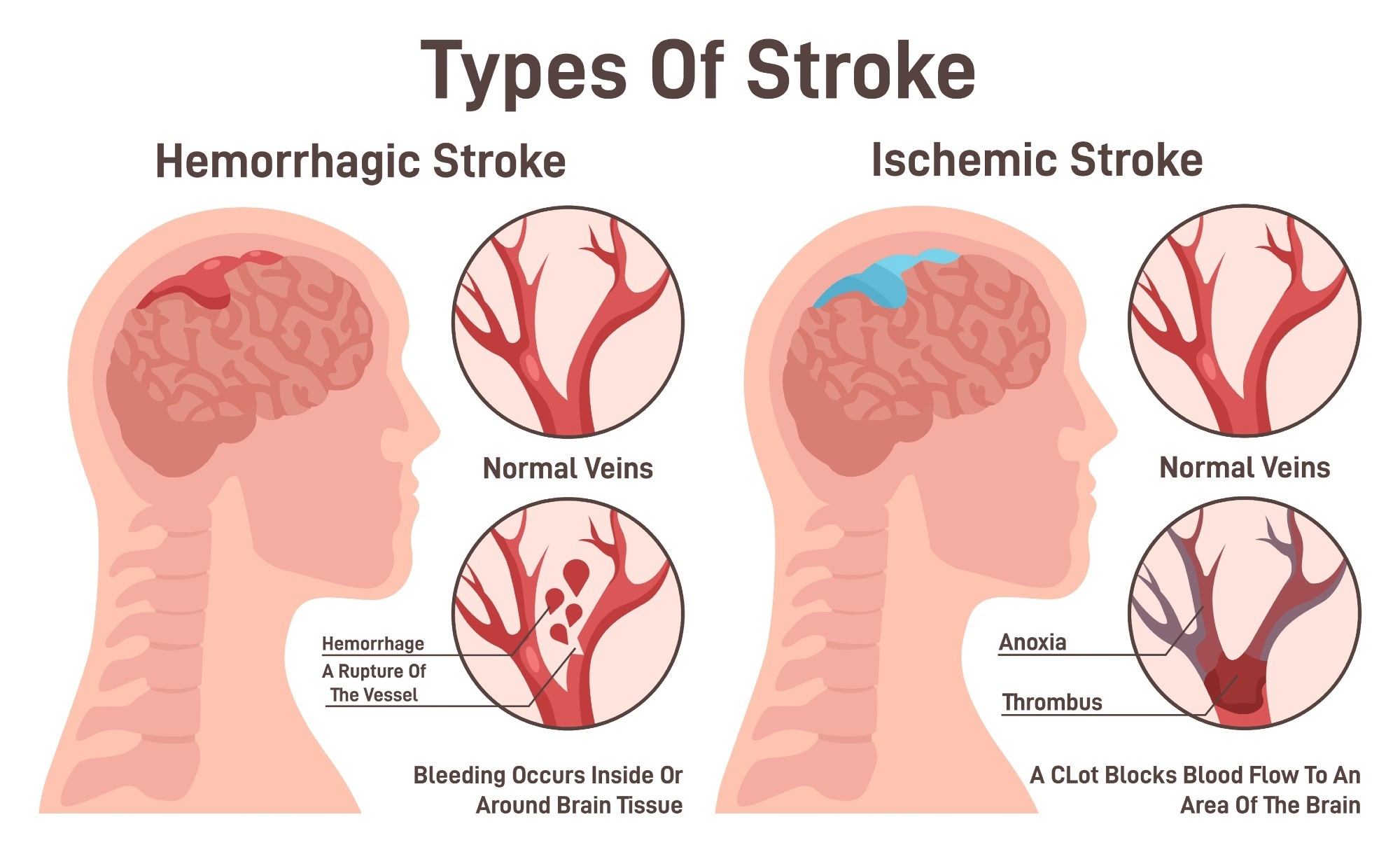
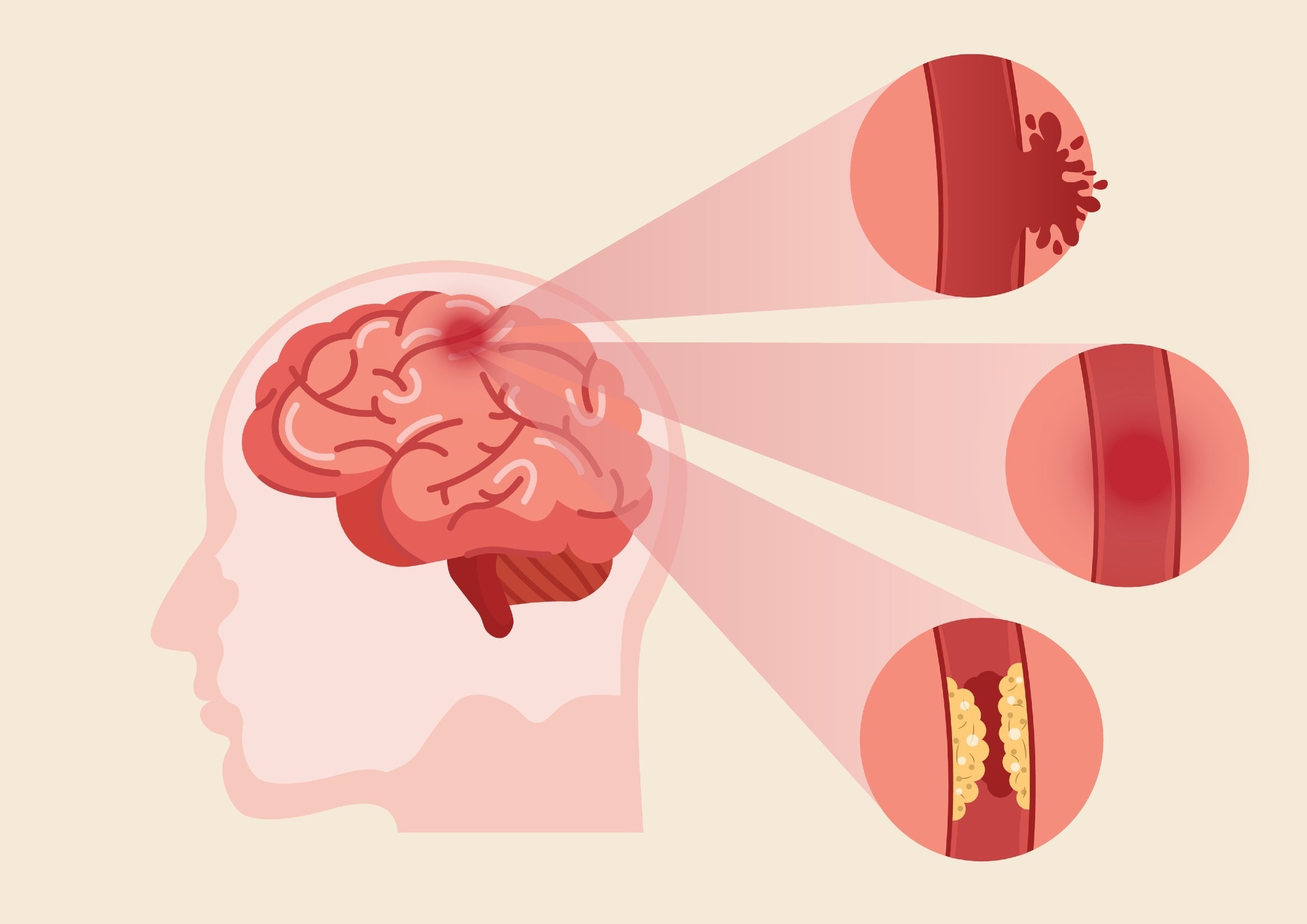
A stroke occurs when a blood vessel that carries oxygen and nutrients to the brain is either blocked by a clot or ruptures. Therefore, there are two types of strokes: ischemic and hemorrhagic.
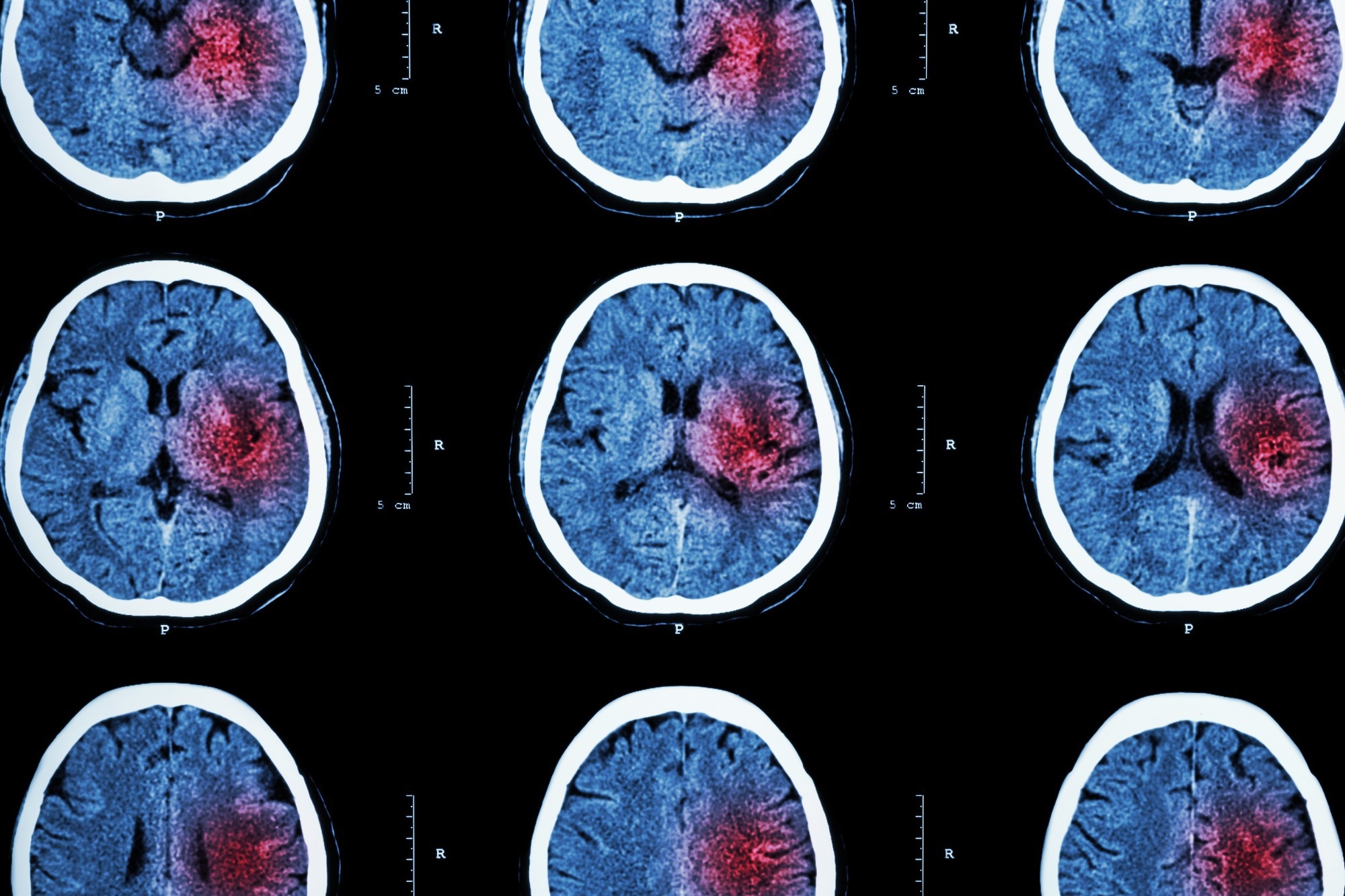
Ischemic strokes - the most common, accounting for 87% of all cases - occur when a blood clot travels to a vessel in the brain and cuts off the blood supply. This prevents brain tissue from receiving oxygen and nutrients, and brain cells can die within minutes.
The other type of stroke, hemorrhagic stroke, is often less common than ischemic stroke but can be more serious. These types of strokes are caused by a ruptured brain aneurysm or a rupture of weakened blood vessels.
Through better public awareness we can reduce the burden of stroke. What signs of a stroke should people look out for?
The best way to remember the signs and symptoms of a stroke is with the acronym FAST:
F –Drooping of the face
A -Arm weakness or difficulty lifting one or both arms
S-Difficulty speaking or slurred speech
T-Time to call for emergency help
If you suspect that you or someone is having a stroke, this is the casecriticalseek emergency care immediately. Those of us in the neurovascular field often say that “time is brain” – meaning that the more time that passes without treatment, the more brain cells die, affecting the chances of recovery or survival. FAST action at the first sign of stroke symptoms can help patients receive the timely treatments they need to not only survive, but also recover and live fully functional lives.
But it's not just the signs and symptoms of a stroke that patients should be aware of. It is important to note that communities of color are disproportionately affected by stroke – they often have pre-existing conditions that increase stroke risk and have poorer experiences when it comes to timely treatment and access to stroke care. At CERENOVUS, we work to address these disparities in stroke care by educating patients about the healthy lifestyle choices they can make to reduce their risk of stroke, helping to build trust in health systems, and improving facility readiness so stroke patients can be quickly identified and triaged.
All of these factors together—recognizing the signs and symptoms of a stroke quickly, understanding the importance of timely medical care, and taking healthy steps to reduce your risk of stroke—are important messages that everyone should know.
Many cases of stroke are preventable. What are some of the risk factors for stroke and how do you think people can reduce their individual risk of stroke?
Up to 90% of strokes are preventable. One of the easiest ways to reduce your risk of stroke is to maintain a healthy lifestyle. This includes managing conditions such as high blood pressure, diabetes, obesity and atrial fibrillation (AFib), as well as quitting smoking, eating a healthy diet and exercising regularly.
According to the World Stroke Organization, one in four of us will have a stroke in our lifetime. Can you tell us more about how strokes are treated?
The two types of strokes are treated differently. For ischemic stroke caused by blood clots, a procedure called mechanical thrombectomy (MT), which uses a catheter threaded into the femoral or radial artery to remove a clot from the artery in a patient's brain, has been shown to help more than half of patients regain functional independence.
The earlier the MT is performed – and how quickly the clot can be extracted in the number of passes performed – the higher the chances of success. When MT achieves significant or excellent “reperfusion,” or restoration of blood flow to the brain, from the first pass, patients experience the greatest benefits. At CERENOVUS, we have created the CERENOVUS Stroke Solutions™ portfolio, which provides a comprehensive and integrated suite of devices to assist physicians with mechanical thrombectomy procedures. Developed through rigorous research and clinical evidence, the CERENOVUS portfolio is designed to address real-world scenarios that physicians may face.
For hemorrhagic strokes, treatment options may include interventional procedures to stop the bleeding. CERENOVUS offers a range of products for the treatment of aneurysms and vascular anomalies, also based on research and evidence, including embolic coils, stents and vascular reconstruction devices.
How can life be affected after a stroke? Can you tell us more about some of the wide-ranging disabilities that stroke survivors can experience?
Strokes can have life-changing consequences. The main disability resulting from a stroke is paralysis or motor control. Strokes can also cause sensory disturbances such as: B. the inability to feel temperature, touch, position or pain. Sensory deficits can affect the ability to recognize objects and lead to the inability to even recognize one's own limbs. These sensory disorders can lead to chronic pain that impairs functionality.
However, a stroke does not only lead to physical impairments. One in four stroke victims suffers from aphasia, which is a problem understanding or using language. This could affect the ability to convey thoughts through writing and words, often leading to frustration and emotional disturbance. Depression is also not uncommon in patients after a stroke. So while the changes in physical performance are immediately noticeable, it is also important to recognize and treat the psychological aspects of a stroke.
The theme of World Stroke Day 2022 is “Save #Precioustime”. What does this topic mean to you and why is timely access to quality stroke care so important?
I think this year's theme is exactly right because when you have a stroke, time is extremely valuable. The longer a stroke goes untreated, the greater the chances that patients will experience long-term disability or even death.
For every minute someone has a stroke, an estimated 1.9 million brain cells are lost. So since time equals brain cells, the quicker a stroke can be treated, the more likely that person's brain - and therefore the function of their arms, legs, speech or thinking - can recover.
What do you think are the main benefits of social media campaigns and awareness events like World Stroke Day? Are you hopeful that these awareness campaigns will help detect the signs of a stroke earlier and treat them sooner?
Stroke is extremely dangerous and unfortunately quite common - as I mentioned before, it is the second leading cause of death worldwide. In fact, someone has a stroke every 40 seconds, and 13.7 million people have their first stroke each year. Quick response and treatment for a stroke makes a big difference in recovery and can sometimes mean the difference between life and death. Therefore, awareness campaigns such as World Stroke Day and other social media campaigns to share information are crucial. I believe that by increasing education about the signs, symptoms and risk factors for stroke, we can make a big difference as a more aware and informed public can take action and help save lives.
But it's not just social media campaigns that make a difference. Advocacy groups like Get Ahead of Stroke and MT2020+ – and their partnership with industry leaders like CERENOVUS – work to not only create public awareness, but to drive real change. These efforts created updated emergency medical triage and transport protocols for stroke patients in the United States and increased access to mechanical thrombectomy procedures worldwide.
What are the next steps for you and CERENOVUS?
As I mentioned earlier, we are committed to changing the course of strokes so patients can return to their lives. This means we have a strong focus on ongoing research and development so we can provide physicians with the tools they need to address unmet clinical needs.
Developed through rigorous research and clinical evidence, the CERENOVUS portfolio is designed to address real-world scenarios that physicians may face. In particular, the ischemic portfolio is informed by the CERENOVUS Neuro Thromboembolic Initiative (NTI). NTI has a deep understanding of different clot types and is uniquely positioned to use insights from scientific studies to develop innovative ischemic products that help change the course of strokes.
As a physician, I am pleased to be able to support the work of CERENOVUS and its NTI team as they continue to innovate and bring new products to market in both the ischemic and hemorrhagic portfolios in the coming months and into 2023.
Where can readers find more information?
Visit https://www.jnjmedicaldevices.com/en-US/condition/stroke for more information about stroke, risk factors and treatment options.
To learn more about CERENOVUS and its solutions, visit https://www.jnjmedtech.com/en-US/companies/cerenovus.
About the Dr. Patrick Brouwer
Dr. Patrick Brouwer is a clinician and scientist who has made significant contributions to the field of interventional neuroradiology and endovascular surgery. Before joining CERENOVUS as Head ofWorldwide Medical Affairs, he held senior positions as a neurointerventionalist at various university hospitals in Europe for over 20 years. As one of the most important opinion leaders in his field, Patrick has published nearly 100 scientific papers and book chapters and has presented at more than 400 events around the world on a variety of topics related to neurointervention, including to invited professors.
Patrick has further contributed by serving in various board positions in important societies such as the European Society of Minimally Invasive Neurological Therapy (ESMINT) and the World Federation of Interventional and Therapeutic Neuroradiology (WFITN). He received his medical degree with honors from the Free University in the Netherlands.
.