

 Suche
Suche
 Mein Konto


Most of us try to stick to lean, nutritious meals when watching our weight.
But all that hard work could be undone with a free hand on the wine bottle.
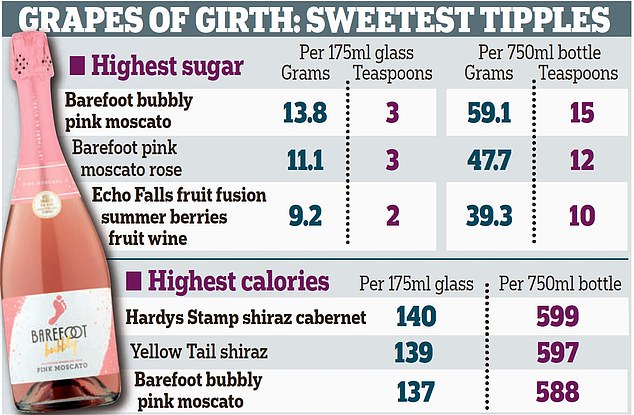
That's because just two glasses can contain more calories than a McDonald's burger - and almost a whole day's recommended sugar intake, a study shows.
Researchers analyzed 30 bottles of red, white, rosé, fruit and sparkling wine from the top ten wine brands in the UK.
They found that one bottle can contain up to 59g of sugar and 598 calories. Only one in five wines shows the calorie content on the label.
No sugar content displayed – information required for all non-alcoholic drinks. The Alcohol Health Alliance UK, which commissioned the analysis from an independent laboratory, is now calling for better labeling of alcohol.
That's because just two glasses can contain more calories than a McDonald's burger - and almost a whole day's recommended sugar intake, a study shows.
The alliance, which includes over 60 organizations including Royal Medical Colleges, said the lack of this information meant drinkers were “left in the dark” about decisions that affect their health.
Government guidelines recommend that adults consume no more than 30g of sugar per day. But it's almost possible to beat this by drinking just two medium-sized glasses of some of the most popular wines.
That much wine also contains more calories than a McDonald's hamburger, which has 250 calories.
Notably, lower strength wines tended to contain the most sugar.
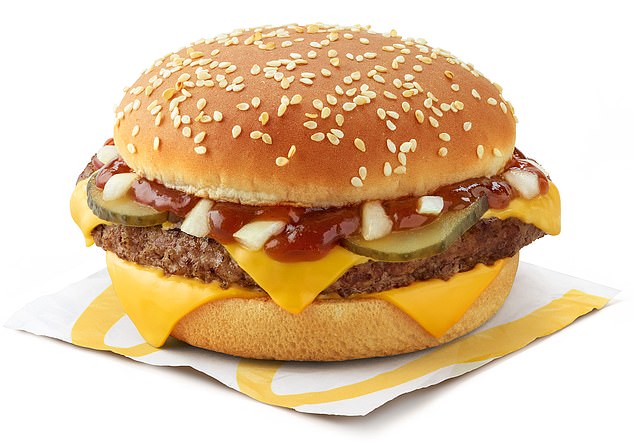
Just two medium glasses of some of the most popular wines contain more calories than a 250-calorie McDonald's hamburger. In particular, lower strength wines tended to contain the most sugar (file image)
Alliance professor Sir Ian Gilmore said: “The current exemption of alcohol from food and drink labeling requirements is absurd.”
He found that alcohol is linked to obesity and seven types of cancer. He said a planned government consultation on alcohol labeling, which officials have committed to in 2020, must be published immediately.
Miles Beale of the Wine and Spirit Trade Association said it would be better if nutritional information was published online rather than on labels.
He said WSTA members are “committed to ensuring that relevant and easy-to-understand health and content information is available.”