

 Suche
Suche
 Mein Konto


Patients with severe bowel disease could benefit from a new drug that can eliminate their distressing symptoms in just three months.
The etrasimod tablet, taken once daily, treats the disease ulcerative colitis by binding to immune cells and stopping them from mistakenly attacking healthy tissue in the intestinal lining.
A recent study found that 27 percent of patients who had not responded to other treatment were in remission after just 12 weeks, and 32 percent were symptom-free after one year.
Ulcerative colitis can be debilitating, causing bloody diarrhea, extreme fatigue, loss of appetite, and weight loss.
It can also cause symptoms such as stomach pain and digestive problems - similar to the more common problem irritable bowel syndrome (IBS).
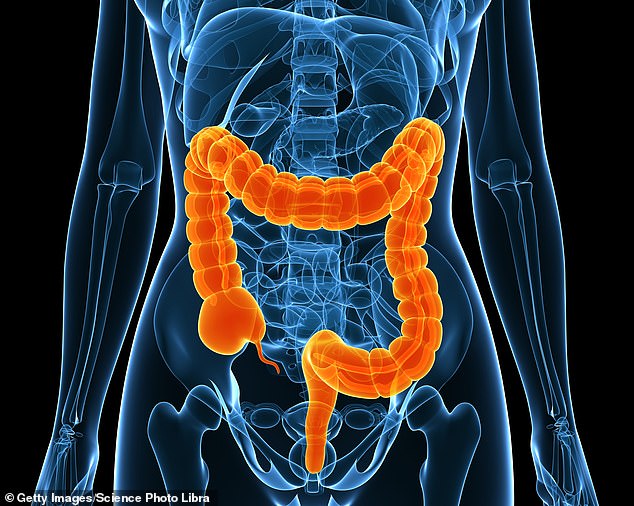
The etrasimod tablet, taken once daily, treats the disease ulcerative colitis by binding to immune cells and stopping them from mistakenly attacking healthy tissue in the intestinal lining
Dr. Sami Hoque, a gastroenterologist at Barts Health NHS Trust in London who led the UK arm of the etrasimod trial, described the results as “amazing”.
He added: "When I started treating ulcerative colitis there were very few options and what we did caused severe side effects. The advantage of etrasimod is that it is very selective and can attack recalcitrant inflammatory cells without affecting the immune system as a whole.
It is a significant addition to existing treatments for intestinal disorders and is supplied as a once-daily tablet, unlike other therapies that involve injections. This puts the power in the hands of patients, meaning they can avoid regular hospital visits.”
Ulcerative colitis is a long-term condition that occurs when, for reasons not fully understood, the immune system goes into overdrive and attacks healthy body tissue in the lining of the colon or colon, causing inflammation and ulcers. It is one of two main types of inflammatory bowel disease, along with Crohn's disease.
The disease affects around 146,000 people in the UK, but experts believe many more could go undiagnosed and that up to one in 10 people over 50 could be suffering from some form of the disease.
Patients can go months without symptoms before being struck by a flare-up. During these episodes, some patients also experience painful joints, mouth ulcers, and irritated red eyes. In the most severe cases, they may also suffer from shortness of breath, heart palpitations and fever.
If colitis is suspected, doctors first take a stool sample to test for a protein called calprotectin - a sign of inflammation in the intestines.
If the result is positive, a gastroenterologist will perform further tests to look for physical signs of damage. This usually involves a colonoscopy, in which a camera is inserted into the back passage and tissue is excised for testing.
Initial treatment includes tablets or suppositories containing anti-inflammatory drugs called aminosalicylates. These help manage mild flare-ups, but their effect wears off over time.
Other options include powerful steroids, which reduce inflammation but come with the risk of unpleasant side effects such as acne, mood swings and diabetes. Drugs that suppress the immune system may also be used, but these can make patients susceptible to infections.
When these options fail, as they do in 15 percent of cases, surgery to remove the intestine may be the only option.
Dr. Hoque said: "Etrasimod could be used in combination with existing treatments to strengthen the body's defenses and avoid the need for surgery."
The drug has not yet been approved. However, experts hope that the process will begin this year.
Romit Zutshi, 42, from Chigwell in Essex, was diagnosed with a bowel disease in 2015 and treated with etrasimod as part of the Barts trial.
The married father-of-one first went to his GP after seeing blood in his stool and having to go to the toilet up to eight times a day.
He said: "Not knowing what was wrong with me was scary. I started losing weight and was constantly tired because I would wake up throughout the night to rush to the toilet."
After failing to respond to other medications, he was enrolled in the etrasimod trial at Barts in 2020 and noticed “drastic improvement.”
He added: "I feel more confident and can live more or less like a normal person. I used to be constantly afraid to be near a toilet when I left the house and couldn't move properly because I got tired so quickly, but that's no longer a problem."
STRANGE SCIENCE: Homemade drug that left man with mushrooms in his veins

At the hospital, tests showed the man's liver and kidneys were failing because the fungus Psilocybe cubensis was growing in his blood
A man developed a life-threatening fungal infection after fungi began growing in his bloodstream.
The 30-year-old American told doctors he was trying to find a way to treat his mental health problems.
After reading that psilocybin, a hallucinogenic compound found in magic mushrooms, could help cancer patients with anxiety and depression, he boiled them into a tea and injected it.
Over the next few days, he became nauseous, confused, and began vomiting blood.
At the hospital, tests showed his liver and kidneys were failing because the fungus Psilocybe cubensis was growing in his blood.
According to the Journal Of The Academy Of Consultation-Liaison Psychiatry, the man spent 22 days in the hospital, eight of them in intensive care, with blood filtering and two courses of antibiotics.
YES, PLEASE
Le Labo coffee body scrub
500g, £37
Provides a gentle exfoliation but uses coffee seeds instead of the harmful microplastics found in many scrubs.
And it smells good enough to eat.
lelabofragrances.com
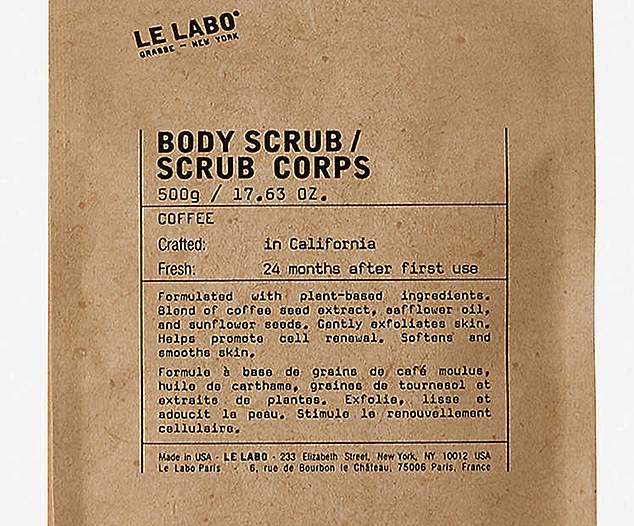
Le Labo coffee body scrub