

 Suche
Suche
 Mein Konto
Researchers are exploring single-cell sequencing technologies to understand molecular mechanisms of autoimmune diseases

A recent review in the Journal of Autoimmunity discussed the applications of single-cell ribonucleic acid sequencing (scRNA-seq) to understanding autoimmune diseases. The review comprehensively covered the principles, procedures and sequencing platforms used in scRNA-seq and examined their use to understand the mechanisms of nine systemic and 32 organ-specific autoimmune and autoinflammatory diseases. Learning: Research Progress of Single Cell Transcriptome Sequencing in Autoimmune and Autoinflammatory Diseases: An Overview. Image source: Kateryna Kon/Shutterstock Background Autoimmune diseases (AIDs) are a complex phenomenon involving different cell types. The diseases arise when the body's immune system does not recognize its cells and components and triggers an immune response against them. Autoimmune diseases are grossly...

Researchers are exploring single-cell sequencing technologies to understand molecular mechanisms of autoimmune diseases
A recently published review in the Journal of Autoimmunity discussed the applications of single-cell ribonucleic acid sequencing (scRNA-seq) to understanding autoimmune diseases.
The review comprehensively covered the principles, procedures and sequencing platforms used in scRNA-seq and examined their use to understand the mechanisms of nine systemic and 32 organ-specific autoimmune and autoinflammatory diseases.
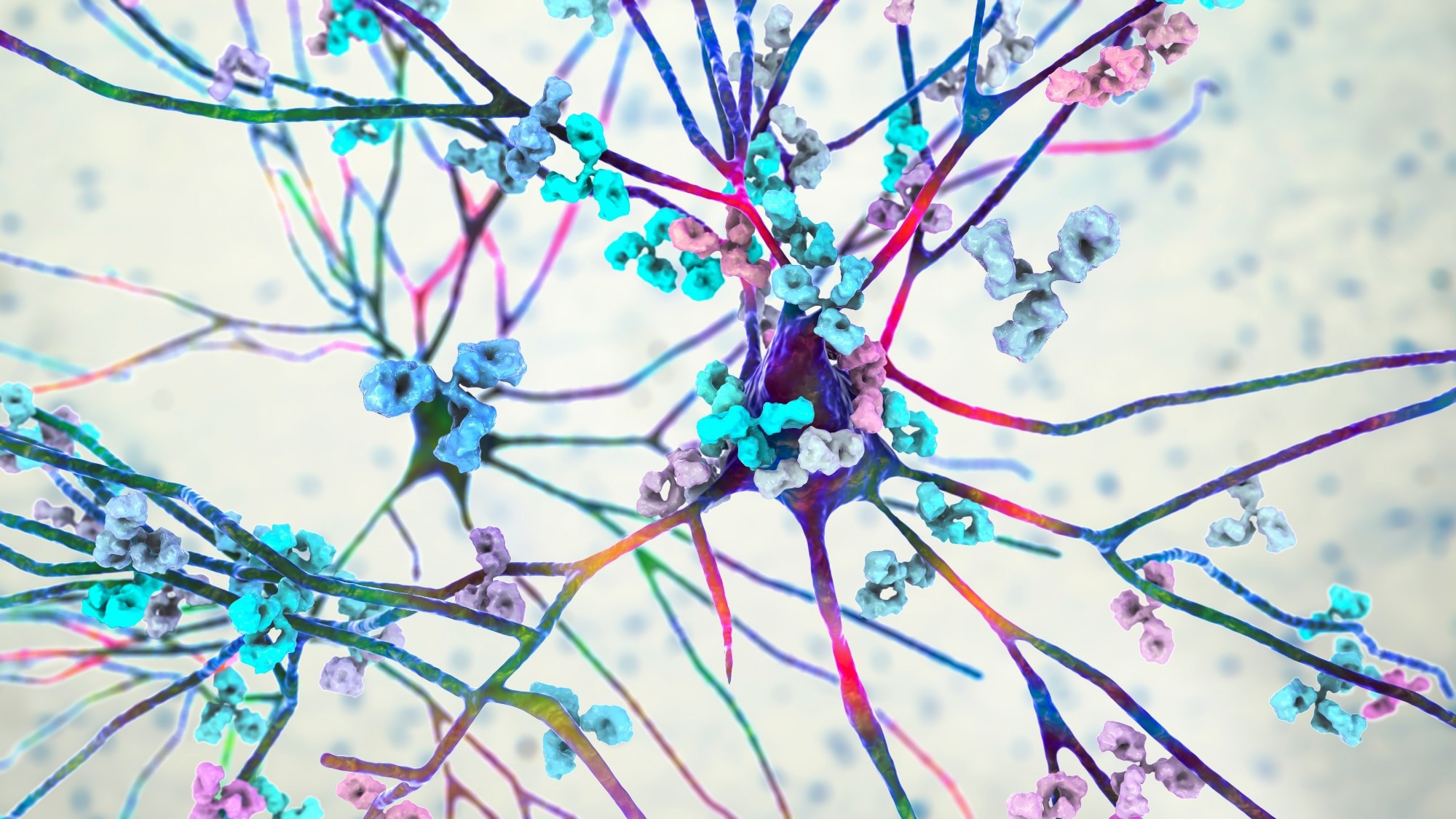
Lernen: Forschungsfortschritt der Einzelzell-Transkriptomsequenzierung bei Autoimmunerkrankungen und autoinflammatorischen Erkrankungen: Ein Überblick. Bildquelle: Kateryna Kon/Shutterstock
background
Autoimmune diseases (AIDs) are a complex phenomenon involving different cell types. The diseases arise when the body's immune system does not recognize its cells and components and triggers an immune response against them. Autoimmune diseases are broadly divided into organ-specific and non-organ-specific AID.
Research suggests that AID is associated with reduced or absent tolerance of B and T cells and that human leukocyte antigen sites in general are associated with increased susceptibility to AID. While studies have unraveled the genetic and immunological mechanisms of some AIDs, the pathogenesis and molecular or environmental causes of most AIDs remain unclear.
In addition, many immunomodulatory drugs lead to side effects such as malignancies and infections, and the heterogeneity of cells and tissues in patients sometimes does not lead to health improvement. By better understanding the pathogenic molecular mechanisms of AID using scRNA-seq, tailored and more effective treatment options can be developed.
Objectives of the review
The aim of the present review was to describe the basic principles of scRNA-seq and to discuss the methods and sequencing platforms used. The authors also discussed the applications of scRNA-seq to understand nine non-organ-specific and 32 organ-specific diseases.
The review also explored a combination of single-cell sequencing technologies and multidimensional and multimolecular analysis approaches to study the molecular mechanisms of AID, which would provide a basis for studying the pathogenesis and molecular markers of autoinflammatory and autoimmune diseases in the future.
The scRNA-seq pipeline
The overview described the different steps of the scRNA-seq process. The process begins with methods to capture viable single cells, such as: B. serial dilution and fluorescence-activated cell sorting. The tissues used in scRNA-seq for AID are primarily from blood or peripheral blood cells or diseased liver, synovial fluid, kidney or intestinal tissue.
Once viable single cells are separated, the entire transcriptome is amplified by reverse transcription to obtain complementary deoxyribonucleic acid (cDNA) from RNA. The cDNA is amplified by in vitro transcription, the addition of a homopolymer tail, or a template switching mechanism.
Cell clusters are then annotated using marker genes and the clusters are analyzed based on cell composition. Trajectory inference is used to understand transition states and asynchronous changes in the biological function of cells. Cell heterogeneity is also assessed by differential gene expression analysis. Further evaluations include analysis of gene sets and inference of gene regulatory networks.
Various sequencing platforms are now available. The choice of platform depends on factors such as sample availability, number of samples to be analyzed, budget, and required sensitivity and resolution of results. Pre-processing of scRNA-seq data includes quality control, batch effects correction and data normalization, followed by downstream analyzes such as cell clustering and trajectory and gene set analyses.
Systemic AID and scRNA-seq
The review provided a comprehensive report on the use of scRNA-seq to understand the following systemic AIDs: rheumatoid arthritis, systemic lupus erythematosus, lupus nephritis, primary Sjögren's syndrome, Kawasaki disease, systemic sclerosis, macrophage activation syndrome, multisystem inflammatory syndrome in children, and Morbus disease Behcet. The authors discussed the current understanding of the immune microenvironment, novel pathogenic immune cells, transcriptional signatures, molecular heterogeneity and genetic variation of this systemic AID based on scRNA-seq in combination with other spatiotemporal transcriptomic techniques.
The authors also covered a wide range of organ-specific AIDs, including skin diseases; Diseases of the eyes, liver, pancreas, gallbladder, muscles, joints and bones; and autoimmune diseases of the respiratory, nervous, gastrointestinal, urinary, reproductive and circulatory systems.
They discussed the use of scRNA-seq to understand the mechanisms of skin diseases such as vitiligo, atopic dermatitis, psoriasis, etc. The neuronal diseases discussed in this review are multiple sclerosis, neuromyelitis optica spectrum disorder, and myasthenia gravis. Autoimmune respiratory diseases also include idiopathic pulmonary fibrosis and rapidly progressive interstitial lung disease associated with anti-MDA5 antibodies.
Also covered in this detailed review were optic nerve diseases such as Graves' disease and glaucoma, autoimmune cardiovascular diseases including autoimmune myocarditis; and liver and gallbladder AIDs, such as autoimmune hepatitis and primary sclerosing cholangitis.
scRNA-seq-based understanding of the mechanisms of type I diabetes mellitus, inflammatory bowel disease, bone and muscle diseases such as anti-synthetase antibody syndrome, and renal autoimmune diseases such as interstitial cystitis, immunoglobulin A nephropathy, and end-stage renal disease were covered in the review. Endometriosis and recurrent miscarriages due to autoimmune diseases were also discussed.
Conclusions
Overall, the review provided a comprehensive understanding of the scRNA-seq pipeline, from single-cell isolation methods to downstream analysis of sequence data. The authors provided extensive information on the current understanding of various systemic and organ-specific autoimmune and autoinflammatory diseases based on scRNA-seq techniques.
Reference:
- Zeng, L., Yang, K., Zhang, T., Zhu, X., Hao, W., Chen, H. & Ge, J. (2022). Forschungsfortschritt der Einzelzell-Transkriptomsequenzierung bei Autoimmunerkrankungen und autoinflammatorischen Erkrankungen: Ein Überblick. Zeitschrift für Autoimmunität. doi: https://doi.org/10.1016/j.jaut.2022.102919 https://www.sciencedirect.com/science/article/pii/S0896841122001275?via%3Dihub
.