

 Suche
Suche
 Mein Konto
How many students regularly consume energy drinks?

A recently published study in Nutrition evaluated energy drinks (EDs) consumption patterns of university students. Learning: Energy drink consumption patterns among university students: a systematic review and meta-analysis. Photo credit: Holiday.Photo.Top/Shutterstock EDs are promoted to improve concentration, energy, metabolism, athletic performance, and stimulate mental activity. Caffeine is the main ingredient in EDs, at 50-550 mg per can or bottle. EDs contain more caffeine than traditional caffeinated drinks and may have more active ingredients than other soft drinks. Acute caffeine consumption increases arterial blood pressure and decreases insulin sensitivity. Chronic caffeine consumption is associated with disorders of the gastrointestinal tract, cardiovascular system,...

How many students regularly consume energy drinks?
A recently published study in Nutrition evaluated energy drinks (EDs) consumption patterns of university students.
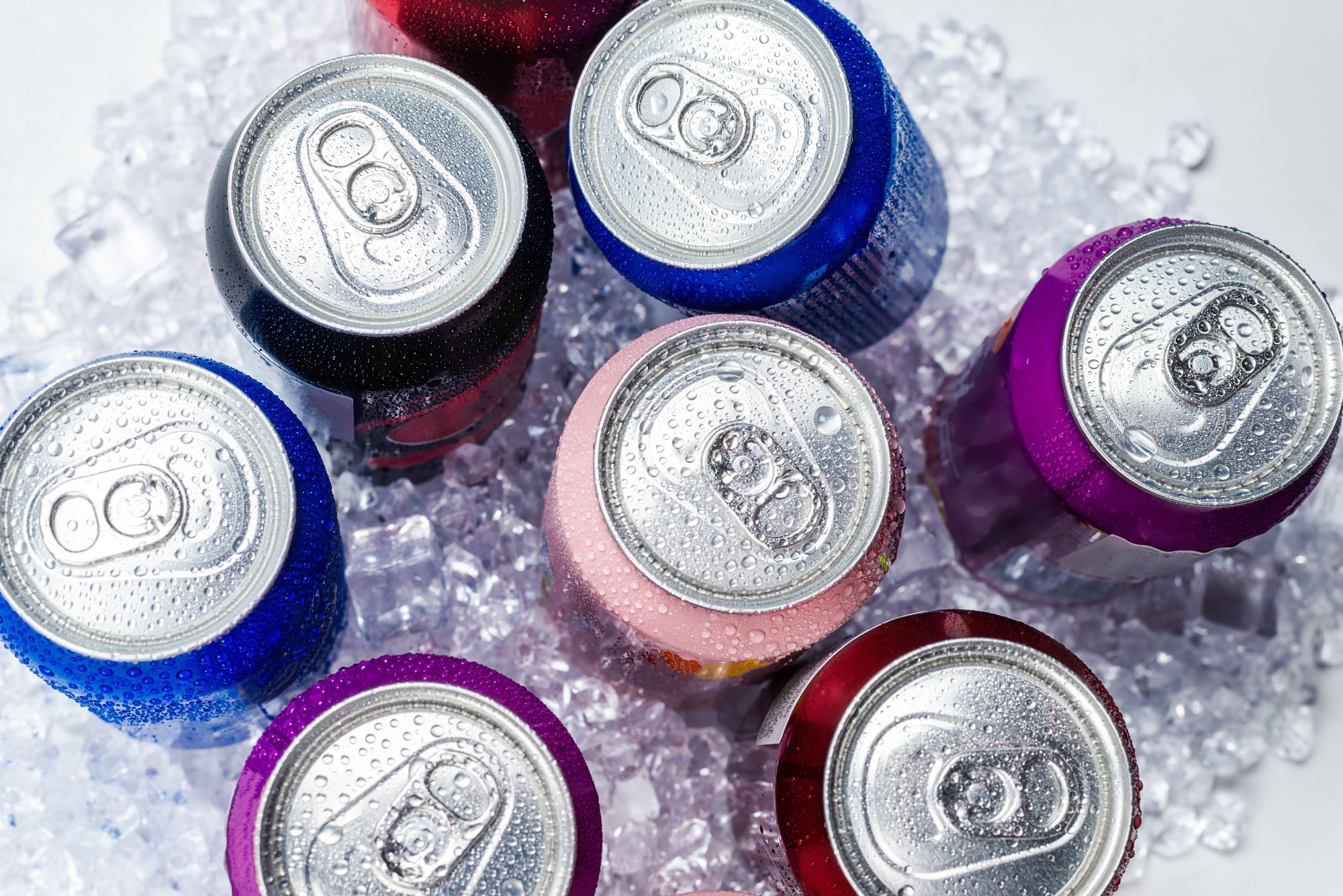
Lernen: Konsummuster von Energy Drinks bei Universitätsstudenten: eine systematische Überprüfung und Metaanalyse. Bildnachweis: Holiday.Photo.Top/Shutterstock
EDs are promoted to improve concentration, energy, metabolism, and athletic performance and to stimulate mental activity. Caffeine is the main ingredient in EDs, at 50-550 mg per can or bottle. EDs contain more caffeine than traditional caffeinated drinks and may have more active ingredients than other soft drinks.
Acute caffeine consumption increases arterial blood pressure and decreases insulin sensitivity. Chronic caffeine consumption is associated with disorders of the gastrointestinal tract, cardiovascular system, kidneys, and central nervous system. Athletes will be able to use caffeine-containing supplements after caffeine was removed from the World Anti-Doping Agency's list of banned substances.
About studying
In the present systematic review and meta-analysis, researchers assessed ED use among university students. The PubMed, Web of Science, and Scopus databases were searched for articles using the search terms “Energy Drink,” “Consumption,” and “University/College/Undergraduate Students.” Studies were eligible if they reported data on ED use among university students regardless of age and gender.
Studies that included individuals other than university students were excluded. Only observational studies were included and commentaries, editorials, case studies, meta-analyses, reviews, clinical trials and experimental studies were excluded. Five authors independently screened titles and abstracts of studies.
The Newcastle-Ottawa Scale (NOS) was used for quality assessment, and each study was assigned a rating of good, fair, or poor quality. The prevalence of ED use and associated 95% confidence intervals (CIs) were extracted. Heterogeneity of studies was assessed using the I2 statistic and Cochran's Q test.
Publication bias was estimated using Egger's test and funnel plot. Subgroup and meta-regression analyzes were performed to identify the source of expected heterogeneity in meta-analyses. For the subgroup and meta-regression analysis, the World Health Organization (WHO) regions, sample size, age, gender, year of publication and methodological quality of the studies were taken into account.
Results
eBook on laboratory diagnostics and automation
Compilation of the top interviews, articles and news from the last year. Download a copy today
Of the 502 identified articles from the three databases, 317 were retained for subsequent analyzes after removal of duplicates. Title and abstract screening removed 183 studies, leaving 134 articles for full-text evaluation. Sixty-one articles were removed based on exclusion criteria. Finally, 71 studies were included in the analysis. These studies were conducted in multiple countries and published between 2007 and 2021.
Twenty-seven studies were from the United States (US), eight from Saudi Arabia, six from Turkey, and five from Italy. 25 studies were published in journals without an impact factor. All studies included men and women aged 16 to 53; most had large sample sizes and high ethnic variation. The prevalence of ED use among subjects varied between 9% and 90% in the selected studies.
The prevalence of ED use was higher than 86% in studies from South America, although only three studies analyzed this. Twenty-one studies assessed the prevalence of ED use by gender, and 18 reported higher ED use among men. Thirty studies examined the adverse effects of taking ED; Participants in more than 20 studies mainly reported sleep disorders and cardiac dysfunction.
Health-related behaviors associated with ED use were analyzed in 35 studies. Alcohol consumption or abuse, smoking, and physical activity were commonly reported behaviors associated with ED use. Most studies (37) found that ED consumption was for learning and testing. In some studies, the reasons (for using ED) were to stay alert or awake and to improve physical activity or sport.
Overall, the prevalence of ED use among university students was estimated to be 42.9%, with considerable heterogeneity between studies. Furthermore, the overall prevalence of ED use was not different in sensitivity analyses. Meta-regression analysis revealed that the prevalence of ED use remained independent of the proportion of women, mean age, or methodological quality.
Additionally, ED consumption decreased as sample size increased. Subgroup analysis by WHO regions showed the highest prevalence of ED use in the Southeast Asia region at 62%, followed by the European region (50%), the Eastern Mediterranean region (49%), the Americas region (42%) and African region (58%).
Conclusions
The prevalence of ED use showed significant differences between studies. Differences in ED use estimates were associated with geographic location and sample size, independent of age, gender, and methodological quality.
In summary, university students, particularly men, consume EDs for improved academic performance and sports or physical activities. Nevertheless, this can lead to health problems, especially with regard to sleep and the nervous or cardiovascular system.
Reference:
- Protano C, Valeriani F, De Giorgi A, et al. (2022). Konsummuster von Energy Drinks bei Universitätsstudenten: Eine systematische Überprüfung und Metaanalyse. Ernährung. doi: 10.1016/j.nut.2022.111904
.