

 Suche
Suche
 Mein Konto
Our diet has not improved in the last thirty years

Everyone eats; However, the way people eat varies depending on culture, geography, level of knowledge and economic status. In addition, diet is linked to many diseases, with poor diet quality responsible for over 25% of preventable deaths worldwide. A new natural food study describes diet quality stratified on a global level. In it, researchers report modest diet quality across all regions, with small increases reported in most regions except South Asia and sub-Saharan Africa. Study: Global nutritional quality in 185 countries from 1990 to 2018 shows large differences depending on nation, age, ...

Our diet has not improved in the last thirty years
Everyone eats; However, the way people eat varies depending on culture, geography, level of knowledge and economic status. In addition, diet is linked to many diseases, with poor diet quality responsible for over 25% of preventable deaths worldwide.
A new one Natural food Study describes diet quality stratified at a global level. In it, researchers report modest diet quality across all regions, with small increases reported in most regions except South Asia and sub-Saharan Africa.
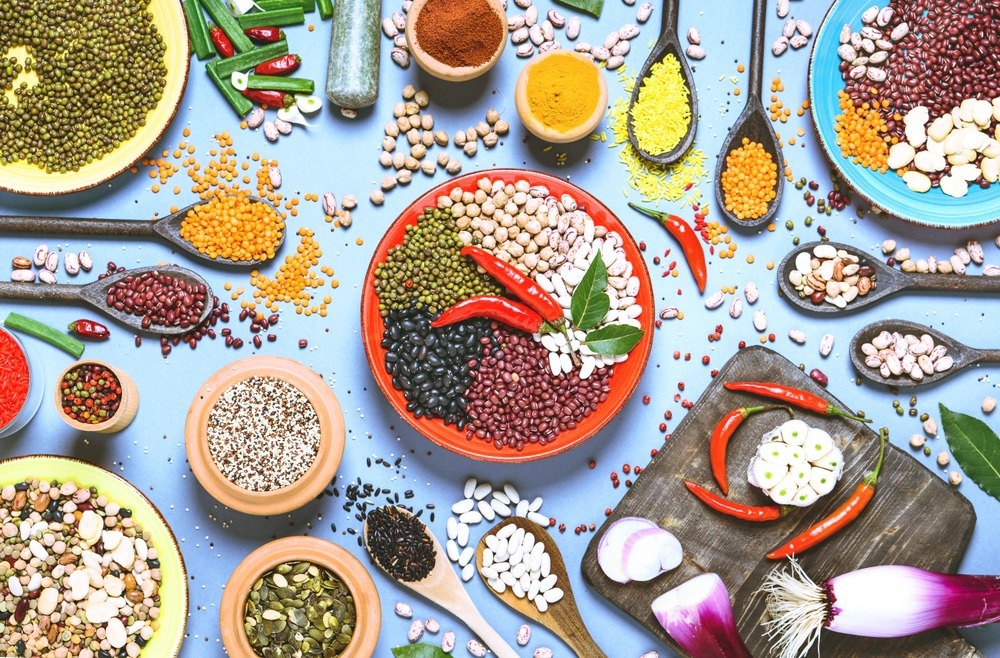
Study: Global diet quality in 185 countries from 1990 to 2018 shows large differences by nation, age, education and urbanity. Image source: Akhenaton Images / Shutterstock.com
introduction
The greatest nutritional benefit is observed when foods and nutrients are consumed together in a complementary manner. Although the components of an optimal diet are well known, global eating habits remain unclear. Poor nutrition can lead to stunted growth, increased cardiometabolic risk, and poor health in children.
Previous research on diet quality has been limited because these studies largely exclude children and adolescents. In addition, many of these studies used limited data on food consumption and sociodemographic characteristics such as age, gender, education, and place of residence.
The current large multinational study uses three different diet quality measures to assess global eating habits at the individual level.
About the study
The data used in this study comes from the latest Global Dietary Database (GDD) created in 2018. This collaborative database is based on the systematic and standardized compilation of data on 53 foods, nutrients and beverages.
The data comes from surveys conducted between 1990 and 2018 in 185 countries. All data were analyzed according to age, gender, education and urban resident status.
Diet quality was assessed primarily using the Alternative Healthy Eating Index (AHEI), with secondary comparative analyzes using the Dietary Approaches to Stop Hypertension (DASH) and the Mediterranean Diet Score (MED).
AHEI scores are associated with a reduction in the risk of cardiovascular disease (CVD), diabetes, and cancer by nearly 25%, 30%, and 5%, respectively. Conversely, an increase in AHEI by just 20% increases the risk of death from cardiovascular disease or cancer. This highlights the importance of the current study with actionable findings that should lead to corrective measures to improve diet quality and thereby reduce diet-related morbidity and mortality in the next few years.
Study results
With a potential high of 100, the average global AHEI score was 40 in 2018. Only ten countries, representing less than 1% of the world's population, exceeded a score of 50.
When evaluating densely populated countries, Vietnam, Iran, Indonesia and India had the highest scores, all around 50. In contrast, the United States, Brazil, Mexico and Egypt had scores lower than 30.
The range ranged from 30 in Latin America and the Caribbean to almost 49 in South Asia. Pulses and nuts achieved the highest value worldwide, followed by whole grain products.
Non-starchy vegetables and seafood high in omega-3 fats also had relatively good AHEI values. Overall, sugar-sweetened beverages (SSBs) and red and processed meat scored the highest.
Individual dietary components such as sodium and meat differed 100-fold between populous countries, while there was a 23-fold difference in SSBs. On the other hand, the intake of polyunsaturated fatty acids (PUFAs) and non-starchy vegetables was associated with the smallest differences in these countries and varied at most three-fold.
While South Asia recorded higher levels of whole grains, meat and SSB intakes were lower. In Latin American and Caribbean countries, legumes and nuts were consumed more frequently, while sodium intake was low.
Children and adults had similar AHEI values. However, in Central and Eastern Europe, Central Asia, North Africa and the Middle East, and in all high-income countries (HICs), adults had much better diets than children. More specifically, U- or J-shaped curves showed that the best diets were reported by children age five or younger and people age 75 or older.
Children were found to consume fewer fruits, vegetables, omega-3 seafood, and SSBs than adults; However, adults had higher PUFA and sodium intake. Interestingly, higher parental education was associated with poorer diet quality in South Asia, North Africa and the Middle East, in contrast to the rest of the world. Children in urban areas had better diet quality in most parts of the world, except those living in the Middle East and North Africa.
Women, particularly in HICs, Central Asia and Central and Eastern European countries, had better diets, with a difference of up to four compared to men. Fruit, vegetables and whole grain products achieved the best results.
Education promoted better diet quality with more fruits and whole grains but less SSB, meat, legume and nut consumption in urban areas. Overall, better education was associated with increased fruit, sodium, vegetable and whole grain consumption.
With the exception of North Africa and the Middle East, city dwellers generally had better diets. This is likely due to differences in healthy versus unhealthy food choices between urban residents and rural communities.
Over the 18 years the study was conducted, the average score increased by 1.5 due to improvement in five regions, with the exception of South Asia and sub-Saharan Africa, where lower scores were reported. Vegetables, legumes and nuts were responsible for this increase, while meat and sodium were associated with lower levels.
Iran, the USA, Vietnam and China recorded the largest increases in AHEI values among highly populated countries. In contrast, Tanzania, Nigeria, Japan and the Philippines were among the countries in this category with lower scores.
When comparing DASH and MED scores, researchers found the same trends, with the highest scores in South Asia and lower scores in Latin America and the Caribbean. Adults fared better, especially those with better education. Only for DASH did urban residents achieve better results.
These values also showed little improvement over the 18 years of data collection.
What are the effects?
The study reports that diet quality continues to show significant variation and discrepancies worldwide.
South Asia and sub-Saharan Africa lead the world with the highest levels, despite being home to many of the lowest-income countries. A closer look revealed that this is due to lower consumption of sugary drinks and meat, while healthy foods such as fruits, vegetables, legumes, nuts and healthy fats are linked to excessively low consumption patterns.
Asia is slowly increasing meat and sodium consumption, as are Latin American and Caribbean countries. Wealthy countries in Europe, the Middle East, North Africa and Central Asia consume more healthy foods, but fare worse when they consume excessive amounts of meat, sodium and sugary drinks.
This suggests that “a dual focus on increasing healthier foods and reducing harmful factors is essential in these regions.” Such changes must be promoted through national and citizen-based policies to improve food security and ensure that every citizen has access to nutritious food at an affordable price.
Reference:
- Miller, V., Webb, P., Cudhea, F., et al. (2022). Die globale Ernährungsqualität in 185 Ländern von 1990 bis 2018 weist große Unterschiede je nach Nation, Alter, Bildung und Urbanität auf. Naturnahrung. doi:10.1038/s43016-022-00594-9.