

 Suche
Suche
 Mein Konto
A portable air sampler for quantifying and detecting SARS-CoV-2 aerosols in laboratories

In a recent study published in the bioRxiv*Server, researchers in the United Kingdom evaluated a battery-powered portable air sampler that could recover severe acute respiratory syndrome coronavirus 2 (SARS-CoV-2) aerosolized in a laboratory using a plaque assay. Study: An optimized method for the recovery and quantification of laboratory-generated SARS-CoV-2 aerosols using plaque assay. Image credit: ktsdesign / Shutterstock *Important note: bioRxiv publishes preliminary scientific reports that are not peer-reviewed and therefore should not be considered conclusive, intended to guide clinical practice/health-related behavior, or treated as established information. Background Researchers continue to discuss the...

A portable air sampler for quantifying and detecting SARS-CoV-2 aerosols in laboratories
In a recent study published in bioRxiv *Researchers in the United Kingdom have evaluated a battery-powered portable air sampler that could recover severe acute respiratory syndrome coronavirus 2 (SARS-CoV-2) aerosolized in a laboratory using a plaque assay.
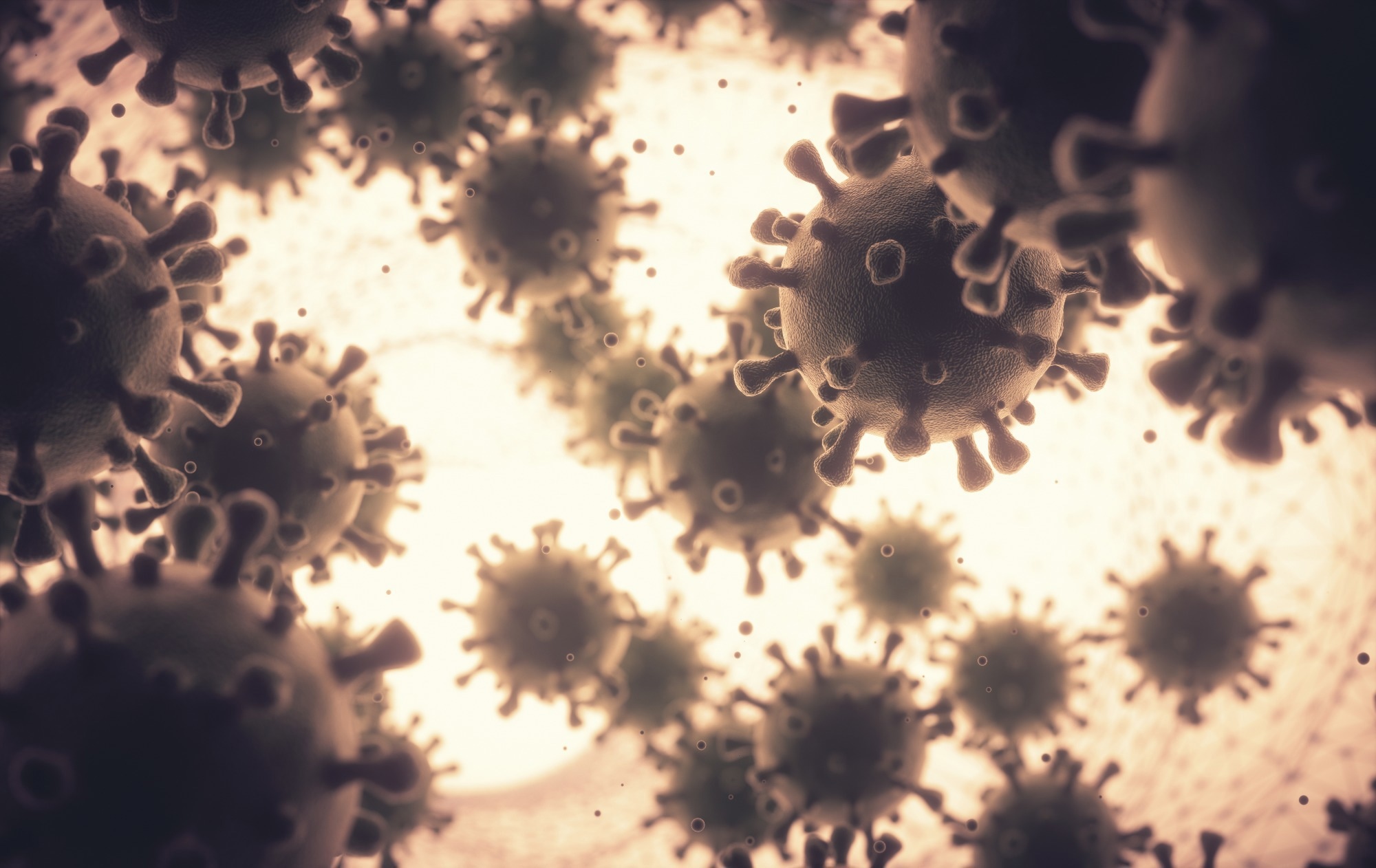
*Important NOTE:bioRxiv publishes preliminary scientific reports that are not peer-reviewed and therefore should not be considered conclusive, intended to guide clinical practice/health-related behavior, or treated as established information.
background
Researchers continue to debate the perceived risk of aerosolizing viable SARS-CoV-2 ribonucleic acid (RNA) since its emergence in late 2019. In the absence of reliable virus isolation data, a retrospective analysis of superspreading events is the only way to believe that this virus is transmitted through aerosols. For example, the air in hospital rooms could have aerosolized SARS-CoV-2. However, studies have not demonstrated the recovery and quantification of aerosolized SARS-CoV-2 with infectious potential.
It remained an experimental challenge to develop a reliable method for detecting SARS-CoV-2 from the air. Cytopathic tests reveal the presence of infectious viruses; However, your results are subjective. They often rely on a technician's expertise to detect changes in cell morphology due to infecting viruses. This makes plaque assays the gold standard for quantifying infectious viruses. The number of individual plaques in the cell culture indicates the virus titer of the inoculum in plaque assays.
About the study
In the present study, researchers first nebulized SARS-CoV-2 (Delta variant) at a stock concentration of 1.4 x 10⁵ plaque-forming units (PFU)/mL in a class II microbiological safety cabinet (MBSC) using a bluestone atomization module (BLAM) nebulizer.
For each study condition, they generated aerosols at a rate of 18 liters per minute (L/min) for four minutes. An MD8 airport with gelatin membranes recovered SARS-CoV-2 RNA at a rate of 30 L/minute (50 liters total). The method was based on mechanical movement of the membrane and the addition of chemicals.
The team tested numerous variables during development of the study protocol. They also conducted three biological replicates for each variable tested. Overall, they conducted this experiment in three phases.
In Phase I, the team determined whether the experiment required passage into cells (enrichment step) before plaquing. In addition, they determined the optimal time for dissolving gelatin membranes. The optimal time for dissolving gelatin membranes was between one hour, four hours and 24 hours. Finally, for each sample, they examined the temporary storage conditions of dissolved membranes in Dulbecco's modified Eagle medium (DMEM). It is the primary study variable that determines the viscosity of the suspended gelatin membranes, which in turn influences the accurate pipetting of the suspension. Storage conditions ranged from room temperature (RT) to 4°C and −20°C.
In Phase II, the team tested the amounts of DMEM (5 mL, 10 mL, or 20 mL) required to suspend the gelatin membrane after capturing the aerosol. They also considered the sample volume required to infect cells (100 µL or 200 µL). In Phase III, the team measured the effects of freezing gelatin membranes shortly after virus recovery. It helped them assess sample processing as convenient for laboratory staff.
Study results
A single passage in cells increased SARS-CoV-2 recovery by the study method, although freezing membranes before suspension in culture media reduced recovery. Based on the study data, the authors recommend that samples be processed immediately after collection. Unfortunately, the requirement for cell passage limited the direct quantification of virus titers originally determined during air sampling. Although in small quantities, the assay method was able to recover SARS-CoV-2 through cell passage before the plaque assay.
Conclusions
The authors were unable to clarify whether the study method needed to be optimized separately for each SARS-CoV-2 variant of concern (VOC). Therefore, they recommended evaluating all cell technologies for novel VOCs to provide a framework for optimization.
The aerosols produced in the laboratory cannot reproduce all particle sizes in aerosols derived from human speech. Additionally, the BLAM used in the study also failed to reproduce the composition of viral aerosols produced by human exhalation. Additionally, human-generated aerosols vary from person to person depending on the severity of the disease. Nevertheless, the current study results could be helpful in further research into SARS-CoV-2 transmission and contribute to the development of environmental sampling methods.
*Important NOTE:bioRxiv publishes preliminary scientific reports that are not peer-reviewed and therefore should not be considered conclusive, intended to guide clinical practice/health-related behavior, or treated as established information.
Reference:
- Vorläufiger wissenschaftlicher Bericht.
Eine optimierte Methode zur Rückgewinnung und Quantifizierung von im Labor erzeugten SARS-CoV-2-Aerosolen durch Plaque-Assay, Rachel L. Byrne, Susan Gould, Thomas Edwards, Dominic Wooding, Barry Atkinson, Ginny Moore, Kieran Collings, Cedric Boisdon, Simon Maher, Giancarlo Biagini , Emily R. Adams, Tom Fletcher, Shaun H. Pennington, bioRxiv-Vorabdruck 2022, DOI: https://doi.org/10.1101/2022.10.31.514483, https://www.biorxiv.org/content/10.1101/2022.10.31.514483v1