

 Suche
Suche
 Mein Konto
Uganda confirms seven Ebola cases and one death

Health authorities in Uganda recently reported an outbreak of Ebola virus disease (EVD) in Mubende District, Uganda, in the central part of the country. Study: Uganda reports outbreak of Ebola virus disease. Photo credit: Crevis / Shutterstock.com What is EVD? EVD is a serious disease that affects humans and other primates and can be fatal if left untreated. The Ebola virus was first reported in 1976 in two simultaneous outbreaks in Nzara, South Sudan, Yambuku and the Democratic Republic of Congo. EVD was named after the Ebola River that flowed near a village where the spread of the virus was first detected. The Ebola virus belongs to the family Filoviridae, which...

Uganda confirms seven Ebola cases and one death
Health authorities in Uganda recently reported an outbreak of Ebola virus disease (EVD) in Mubende District, Uganda, in the central part of the country.
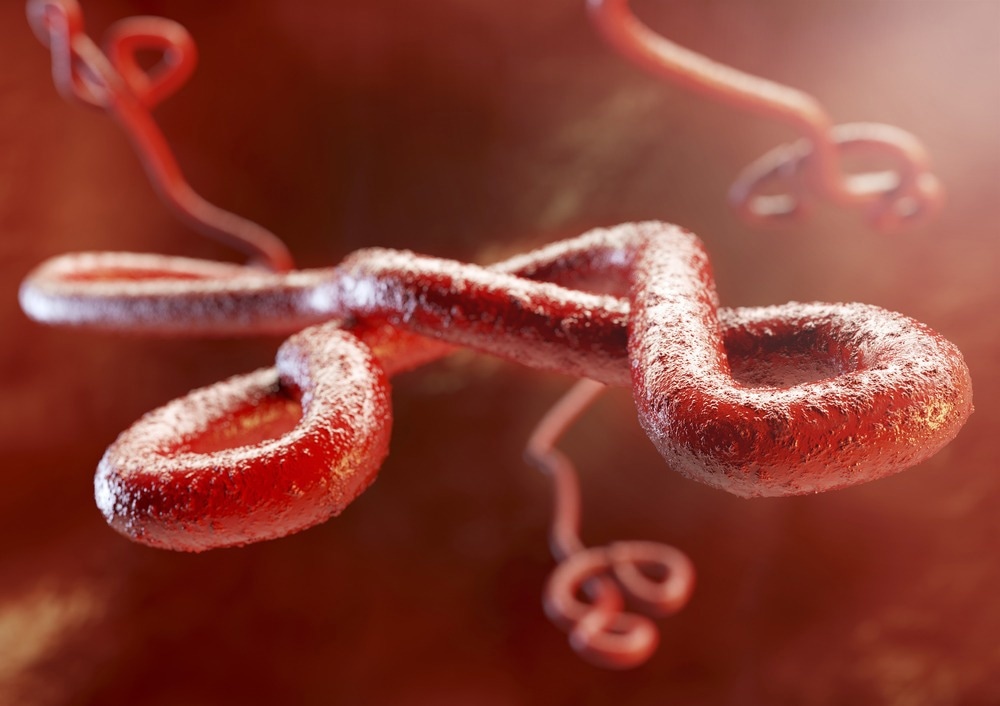
Study: Uganda reports outbreak of Ebola virus disease.Photo credit: Crevis / Shutterstock.com
What is EVD?
EVD is a serious disease that affects humans and other primates and can be fatal if left untreated. The Ebola virus was first reported in 1976 in two simultaneous outbreaks in Nzara, South Sudan, Yambuku and the Democratic Republic of Congo. EVD was named after the Ebola River that flowed near a village where the spread of the virus was first detected.
The Ebola virus belongs to the family Filoviridae, which includes three genera: Ebolavirus, Marburgvirus and Cuevavirus. Fruit bats are natural hosts of the Ebola virus.
This virus can be transmitted to humans through direct contact with the body fluids of infected animals. Person-to-person transmission through direct contact was subsequently reported, such as when a healthy person was exposed to the blood, mucous membranes, broken skin, and other body fluids of an infected person.
The Ebola virus incubation period is between two and twenty-one days. Common symptoms of EVD include fever, muscle pain, headache, sore throat, fatigue, vomiting, rash, diarrhea, elevated liver enzymes, and decreased white blood cell and platelet counts. Vaccines, monoclonal antibodies, and medications are currently available to treat EVD.
EVD outbreak in Uganda
The Uganda Virus Research Institute confirmed the occurrence of Ebola infection after testing a sample from a 24-year-old male resident of Ngabano village in Madudu sub-county of Mubende district, who later died. Following this incident, the National Rapid Response Team investigated six suspicious deaths in the same district. There are seven confirmed cases of EVD, three suspected cases and one death.
Dr. Matshidiso Moeti, World Health Organization (WHO) regional director for Africa, said Uganda is experiencing an outbreak of the Sudan Ebola virus after more than a decade. WHO is working closely with national health authorities to determine the cause of this outbreak.
WHO is also supporting Uganda with all available resources to manage and prevent further outbreaks. For example, the organization has deployed staff to the affected area and provided supplies to help patients already suffering from EVD. Tents have also been provided to isolate patients from the general population.
Uganda is no stranger to effective Ebola control. His expertise enabled measures to be taken to quickly detect the virus and we can build on this knowledge to stop the spread of infections.”
A total of seven Sudan Ebola virus outbreaks have been recorded, four of which occurred in Uganda and three in Sudan. There was already an outbreak of the Sudan Ebola virus in Uganda in 2012. However, in 2019 there was an outbreak of the Zaire Ebola virus, which was imported from the neighboring Democratic Republic of Congo.
Vaccination against EVD
The morphology of the Sudan strain of Ebola virus is different from the Zaire strain. The Ervebo vaccine is highly effective in combating the recent Ebola outbreak in the Democratic Republic of Congo. However, this vaccine was previously effective against the Zaire Ebola virus and not against the Sudan strain.
Another Ebola vaccine made by Johnson & Johnson has shown effectiveness against the virus. However, its effectiveness, particularly against the Sudan strain, is not yet clear.
References:
- Uganda meldet Ausbruch der Ebola-Virus-Krankheit. (2022) Weltgesundheitsorganisation. [Online] Verfügbar ab: https://www.afro.who.int/countries/uganda/news/uganda-declares-ebola-virus-disease-outbreak
- Sieben Ebola-Fälle und ein Todesfall in Uganda bestätigt, WHO verstärkt Reaktion [Online] Verfügbar ab: https://news.un.org/en/story/2022/09/1127461