

 Suche
Suche
 Mein Konto


A former Royal Engineer whose brain tumors were missed as a teenager has been told he will die before he turns 40.
Ben Robinson, 27, from Gloucestershire, was just 19 when he collapsed and suffered his first seizure during an army training camp in 2015.
Scans showed he had pinhead-sized lesions in his brain that doctors believed were the early stages of tumors and said he had weeks to live.
But confusion arose months later when further medical tests re-diagnosed Mr Robinson with epilepsy.
Doctors were amazed when his seizures became worse, even though he increased his medication every year. Until 2020, he suffered one every month and had to be medically discharged from the army.
A particularly bad attack in September prompted doctors to re-run brain scans, which revealed three lesions had grown to the size of "golf balls."
Tests also showed the growths were cancerous and mostly inoperable. Mr Robinson received the devastating news that he only had 10 years to live.

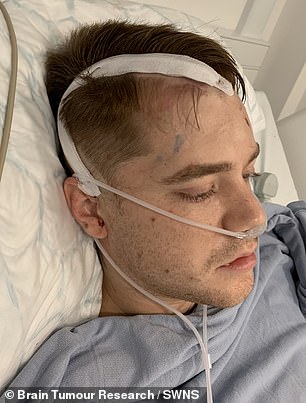
Ben Robinson, from Gloucestershire, was diagnosed with epilepsy at the age of 19 after suffering a seizure. But doctors diagnosed him again with brain cancer five years later. He was discharged from the army and is now receiving treatment (right)

Mr. Robinson, pictured above, served tours in Kenya and the Falkland Islands. Doctors had said he had a fatal brain tumor when he was 19, but reversed that diagnosis within a week
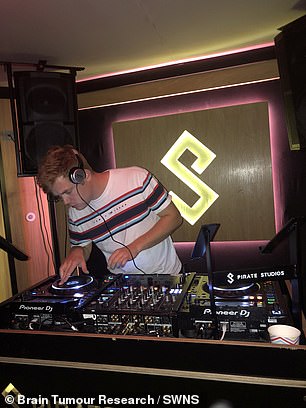
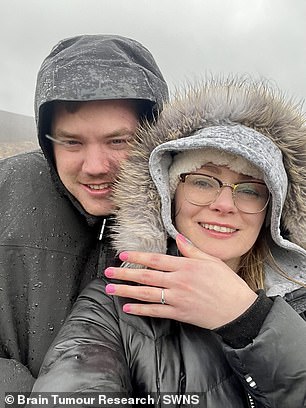
He now works part-time as a DJ and recently got engaged to his partner Kelly White, 28, who is a personal assistant. The couple plans to travel before the wedding
Mr Robinson was diagnosed with a rare brain tumor called oligodendroglioma, which occurs when fat cells lining neurons divide uncontrollably.
The former soldier had 90 percent of one of the tumors surgically removed, but two others were deemed inoperable because of their location.
His treatment will now focus on chemotherapy to treat his cancer.
Mr Robinson said it was a "huge relief" when doctors first ruled out cancer in 2015.
"For about a week I thought I didn't have long to live, so when the doctors said it was epilepsy it was a big relief," he said.
“The lesions were originally described as “birthmarks” in my brain and were initially the size of a pinhead.
“When I had surgery they were huge in comparison, the size of golf balls.”
But he admitted the confusion surrounding his diagnosis was “tough”.
"It's hard to understand that you have a brain tumor, let alone that you only have a limited time to live," he added.
“I've learned to accept it and I'm at peace with it.
“It puts things into perspective and has encouraged me to use my positivity to help others who are struggling with their own diagnosis and mental health in general.”
Mr Robinson was medically discharged from the army in 2020 after serving tours in Kenya and the Falkland Islands.
He now works as a part-time DJ and will be hitting the decks in Cheltenham this month for charity Fundraiser Supporting people with brain tumors.
Mr Robinson has also proposed to his partner Kelly White, 28, and a personal assistant.
The couple plans to travel before the wedding.
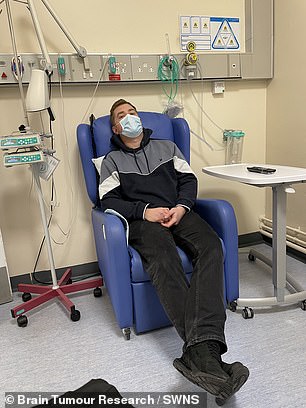
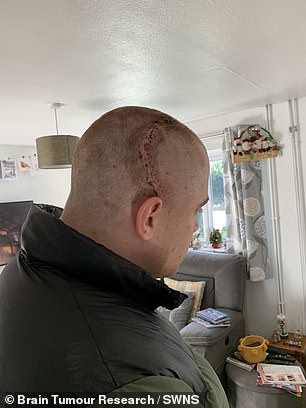
Mr Robinson is pictured above in hospital during his treatment (left) and after his discharge following surgery (right).
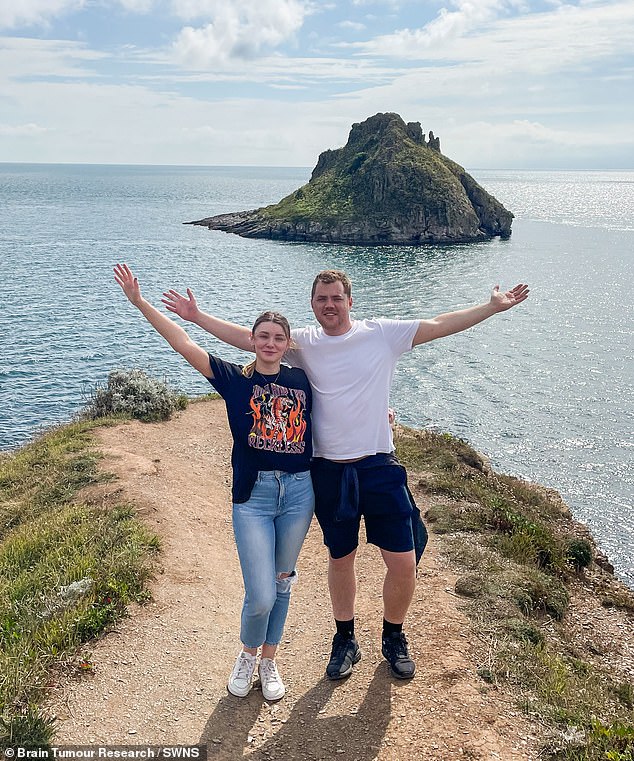
Mr Robinson and his partner are pictured above on holiday together. They plan to travel more together before getting married
Mr Robinson said: "I'm lucky to have the people I do around me. Everyone is supportive and has been with me throughout my diagnosis.
“Kelly and I are excited about our life together and can’t wait to get married.”
Up to 200 guests are expected at the fundraiser, organized by Brain Tumor Research as part of the Wear A Hat campaign.
The event, which gets participants to wear their favorite hat, is now in its 13th year and has raised more than £2 million for brain tumor research.
Mel Tiley, Community Development Manager at Brain Tumor Research, said: “We wish Ben all the best with his continued treatment and are grateful to him for sharing his story.
“The efforts Ben and Kelly are making for their fundraiser are fantastic, especially as he is going through chemotherapy at the same time.
“Ben’s story reminds us of the random nature of this terrible disease.”