

 Suche
Suche
 Mein Konto


More than 120,000 pounds of ground beef sold in the U.S. is being recalled over fears it is contaminated with E.coli.
The U.S. Food Safety and Inspection Service (FSIS) urged people with Naturally Better, Nature's Reserve or Thomas Farms-labeled burgers and ground beef in their refrigerators to throw it away or return it to the store.
So far, there have been no reports of people becoming ill or suffering an “adverse reaction” after accidentally eating the contaminated items.
E.coli - which can cause bloody diarrhea and vomiting - was detected in beef during routine agency testing.
Lakeside Refrigerated Services in New Jersey processed the meat before distributing it between February and April.
It is the second time the company has been affected by a recall in recent years, having also recalled 40,000 pounds of ground beef products it handled in June 2020.
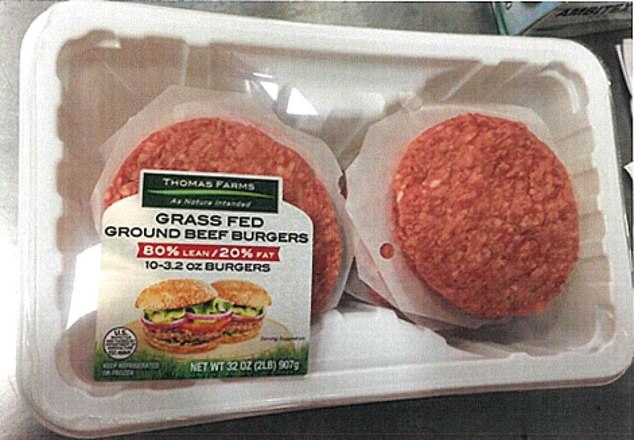
The U.S. Food Safety and Inspection Service said it was recalling the products over fears of E.coli contamination. It urged Americans to throw them away or return them to the store
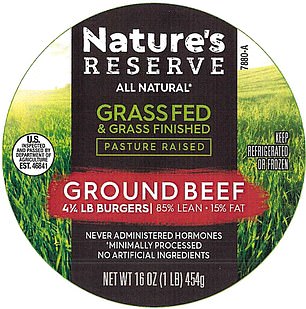
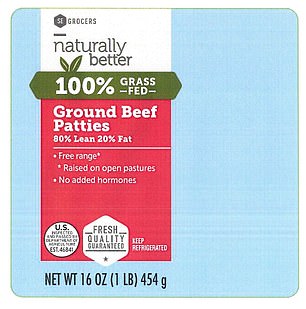
Affected products are products with the label Thomas Farms, Nature’s Reserve or Naturally Better, which are sold in several supermarkets
The three recalled brands of ground beef are sold in major supermarkets across the country. Those with the Marketside Butcher and Weis by Nature labels are also being recalled.
The FSIS warned People who eat E.coli-contaminated products would likely become ill about three to four days later.
"Most infected people ... develop diarrhea (often bloody and vomiting. But some illnesses last longer and may be more severe," the agency wrote in its recall notice.
“Strong rehydration and other supportive measures are the usual treatment: antibiotics are generally not recommended.
"Most people recover within a week, but some rarely develop a more serious infection that can lead to kidney failure."
Affected products would have the establishment number "EST. 46841′ within the United States Department of Agriculture (USDA) inspection mark.
Symptoms of an E.coli infection include bloody diarrhea, stomach cramps, nausea and vomiting.
In severe cases of E. coli infection, patients may be given antibiotics to relieve symptoms.
However, in rare cases, people may develop a type of kidney failure called hemolytic uremic syndrome (HUS).
This is a condition in which there is abnormal destruction of platelets and red blood cells.
These can then clog the kidney's filtering system, leading to potentially life-threatening failure of the organ.
E.coli outbreaks are also often associated with lettuce and other vegetables.
In 2019, more than 160 people became ill after eating contaminated romaine lettuce from a farm in California.
Centers for Disease Control and Prevention (CDC) officials warned at the time that it was difficult to prevent E.coli contamination because of the frequent cultivation of greens.
In a report, they described nearby cattle as a “risk” for transmitting the bacteria to plants.
There were 18 E.coli outbreaks linked to lettuce between 2009 and 2019, along with 22 other outbreaks of the disease during the same period.
It comes after Kinder chocolates were recalled in the US earlier this month due to salmonella contamination.
Kinder Happy Moments chocolate ranges, Kinder Mix chocolate treats and Surprise chocolate eggs were found to contain the organism at a factory in Belgium.
Both products are labeled as Easter treats.
The company said in a statement: "Ferrero deeply regrets this situation. We take food safety very seriously and every step we have taken has been guided by our commitment to consumer care."
Cases of salmonella linked to the eggs have been detected in Europe, although no cases have been detected in the Americas either.