

 Suche
Suche
 Mein Konto


American teenagers are not getting enough sleep every night because of early school start times and the many things they are asked to do every day, an expert warns.
Lisa Lewis, a California-based journalist and public health expert, warns that the majority of teenagers in America are not getting the recommended nine to 11 hours of sleep per night - but believes the problem can be fixed.
She points to early school start times as the main culprit, with many students forced to wake up as early as 5 a.m. to attend class.
Many have warned that this severe sleep deprivation can lead to long-term mental health problems, riskier behavior patterns and even permanent brain damage caused by a lack of rest.

Lisa Lewis (pictured) warns that sleep deprivation generally leads to poor mental health among teenagers in the US. She blames the early start of school most of all for this
Lewis has advocated for the dawn to be reset to better serve America's children and hopes her work can help teenagers live happier, healthier lives.
“Too many teams don’t get anywhere near the amount of sleep they need,” Lewis told DailyMail.com.
She noted that the Centers for Disease Control and Prevention (CDC) Youth Risk Behavior Survey in 2019 found that only 22 percent of high school students got at least eight hours of sleep each night.
A lot of this can be related to the schedule forced on teenagers because of their school.
Many teenagers wake up before sunrise. After school, they have extracurricular activities, work, and family responsibilities to attend to—which causes them to stay up later than usual.
Teens are also glued to their phones, and as social media becomes a regular part of a young person's life, it's easy for them to lose a few hours a night scrolling.
The same CDC survey also found that about 30 percent of high school students felt sad or hopeless, with a stunning one in five having even considered suicide. Lewis believes sleep deprivation plays a key role.
“We know that sleep deprivation worsens mental health issues,” she explained.
"We have stronger emotions when we haven't gotten enough sleep. It also increases impulsive behavior, which unfortunately contributes to suicidal behavior."
To combat this, Lewis became one of the nation's leading advocates for pushing back school start times.
In 2016 she wrote a comment in the Los Angeles Times Highlighting the risks of sleep deprivation among America's youth.
The main negative aspects of teenagers not getting enough sleep included more absenteeism from school, better test scores in schools that started later, more traffic accidents, and even fewer injuries in team sports because student-athletes' bodies were better rested.
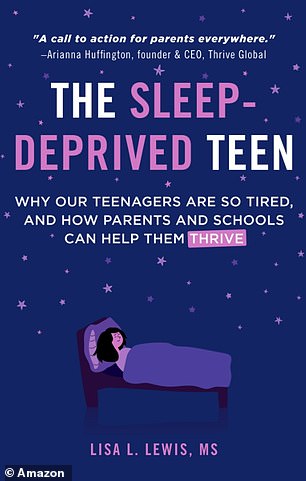
Lewis explains the epidemic of sleep deprivation among teenagers in her new book, The Sleep-Deprived Teen: Why Our Teenagers Are So Tired, and How Parents and Schools Can Help Them Thrive
She also highlights these concerns in her new book, The Sleep-Deprived Teen: Why Our Teenagers Are So Tired, and How Parents and Schools Can Help Them Thrive.
The op-ed caught the attention of a local lawmaker who was pushing a law that would prevent high schools in the state from starting before 8:30 a.m. and push back the start of middle school to 8 p.m. or later.
After being passed in 2019, the law is scheduled to come into force for the 2022/23 school year starting this fall.
However, the law does not come without critics. The teachers' unions in the state demonstrated against it. In one (n op-ed published earlier this year Jeremy Adams, a teacher at Bakersfield High School, wrote:
“This is a disaster in the making.
"Trustees are burnt out and tired of being yelled at by everyone with an ax to grind. Administrators are colossally overwhelmed and frankly look like zombies these days as they swing from one crisis to the next. Teachers are demoralized, discouraged and frankly, many of us are at a breaking point...
"The last thing students need now is less stability, less routine and less predictability from one year to the next. This is not the time for further changes."
One of his main concerns is that students will not have time to participate in many extracurricular activities after school since the final bell will ring later in the day.
However, Lewis does not see this as a particularly big problem. She said teenagers who work after school often work for dinner anyway.
There is also no data to suggest a link between the end of a scheduled school day and changes in extracurricular participation — meaning teens are unlikely to be pushed out of sports.
While they may have an hour less at the end of the day, an hour of sleep earlier in the day leads to better overall health and academic performance.
She urges other parents across the country to fight for similar changes in their own communities to combat the epidemic of sleep deprivation among teenagers.