

 Suche
Suche
 Mein Konto
Kiwira virus: a new bat-borne hantavirus discovered in Africa

A recent Viral journal study discusses the Kiwira virus, which belongs to the family Hantaviridae, including its discovery, phylogenetic placement, and tissue distribution of viral ribonucleic acid (RNA). Learn: Kiwira virus, a newly discovered hantavirus discovered in free-tailed bats (Molossidae) in East and Central Africa. Photo credit: Kateryna Kon / Shutterstock.com What are hantaviruses? Genetics & Genomics eBook Compilation of the last year's top interviews, articles and news. Download a free copy Hantaviruses, which belong to the family Hantaviridae, have three-segmented RNA genomes. The small (S) genomic segment encodes the nucleocapsid (N) protein, while the middle (M) segment encodes envelope glycoproteins and the large (L) genomic...

Kiwira virus: a new bat-borne hantavirus discovered in Africa
A recent one Viruses Journal study discusses Kiwira virus, which belongs to the family Hantaviridae, including its discovery, phylogenetic placement, and tissue distribution of viral ribonucleic acid (RNA).
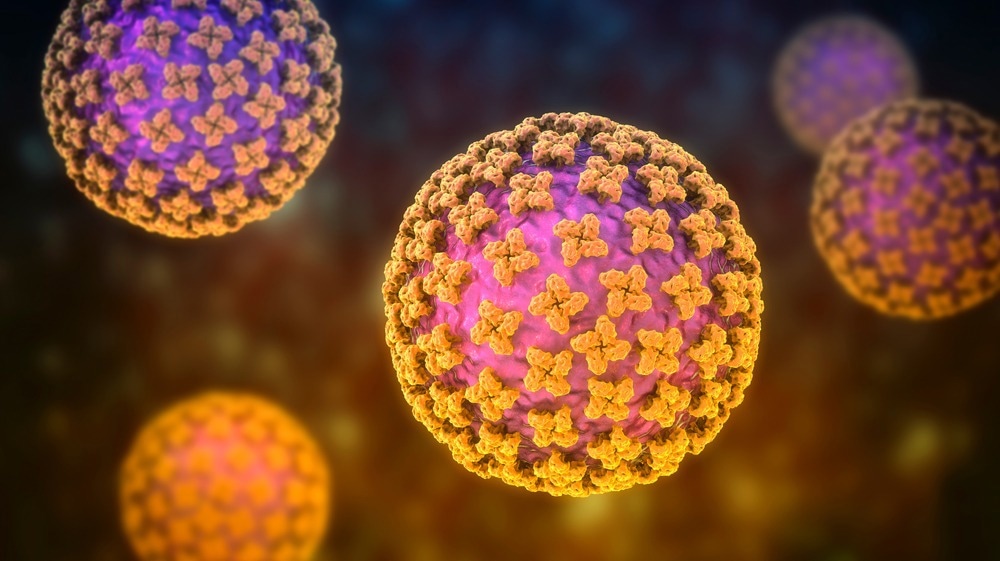
Learn: Kiwira virus, a newly discovered hantavirus discovered in free-tailed bats (Molossidae) in East and Central Africa.Photo credit: Kateryna Kon / Shutterstock.com
What are hantaviruses?
Genetics & Genomics eBook
Compilation of the top interviews, articles and news from the last year. Download a free copy
Hantaviruses, which belong to the family Hantaviridae, have three-segmented RNA genomes. The small (S) genomic segment encodes the nucleocapsid (N) protein, while the middle (M) segment encodes envelope glycoproteins and the large (L) genomic segment encodes RNA-dependent RNA polymerase.
Several small mammals can harbor hantaviruses, the most notable of which are rodents, followed by shrews, bats and moles. Several hantaviruses can infect humans, all of which come from rodents and belong to the orthohantavirus genus. When infected in humans, hantaviruses cause fever, followed by kidney and respiratory problems that can eventually lead to organ failure.
Bat-borne hantaviruses, belonging to either the Mobatvirus or Loanvirus genus, have been reported in 14 bat species throughout Asia, Europe, and Africa. However, these viruses still need to be isolated and cultured; Therefore, their potential to infect humans is not fully understood.
About studying
In the current study, bats were captured in 2017 in the Democratic Republic of Congo (DRC) and southwestern Tanzania and then stunned and killed. The intestines, kidneys, lungs, spleen and liver of all bats were collected.
Tissue samples were collected for viral RNA extraction and analysis by reverse transcription-polymerase chain reaction (RT-PCR) assay. Phylogenetic analyzes were also carried out.
Study results
PCR analysis revealed the presence of hantavirus sequences in six of 334 bats from Tanzania and one of 49 bats from the Democratic Republic of Congo.
Remarkably, the viruses isolated from both Tanzanian and Democratic Republic of Congo bats shared 98.6% identity. The highest pairwise identities were observed between Quezon and Robinia viruses, up to 82.9% and 81.4%, respectively.
All hantavirus-positive bats obtained from Tanzania were Angolan free-tailed bats, also known as Mops condylurus, belonging to the family Molossidae. This species was previously not known to harbor hantaviruses.
Of the six Hantavirus-positive bats from Tanzania, one was female and five were male. The only positive bat from the Democratic Republic of Congo was male; However, the species of this bat could not be determined.
Hantavirus-negative bats belonged to the families Molossidae (89), Pteropodidae (226), Hipposideridae (1), Rhinolophidae (3), and Vespertilionidae (39), while the remaining 18 bat species could not be identified.
All tissues collected from the Hantavirus-positive bats from Tanzania were positive for viral RNA, except for one bat in which the lung was the only organ positive for this virus. Notably, two bats had the highest viral loads in their spleens.
A novel virus sequence was observed in bats from Tanzania, later named “Kiwira” virus within the genus Mobatavirus. This discovery makes Kiwira virus the fourth bat-borne hantavirus identified in Africa.
The complete nucleocapsid and glycoprotein precursor amino acid sequences of the new Kiwira virus could not be obtained for further analysis. The closest relatives of the Kiwira virus include the Robina and Quezon viruses.
Bats infected with Kiwira virus showed systemic infection, including involvement of their kidneys and intestines. Therefore, it is likely that hantavirus can be excreted in both urine and feces.
Conclusions
M. condylurus bats circulate throughout Africa, often in buildings and hollow trees and in various parts of both tropical and savanna regions ranging from West to East African countries. In addition to the widespread distribution of these bats throughout Africa, the proximity of the bats captured in this study to human settlements raises concerns that the Kiwira virus could potentially spread to humans.
Although hantaviruses do not appear to cause disease in humans, their ability to cause febrile illness, a common symptom shared with other infections, may cause their infection to be overlooked. Therefore, it is important to improve the development of accurate serological assays that can be used to confirm infection with hantaviruses.
Reference:
- Weiss, S., Sudi, LE, Düx, A., et al. (2022). Kiwira-Virus, ein neu entdecktes Hantavirus, das in Freischwanzfledermäusen (Molossidae) in Ost- und Zentralafrika entdeckt wurde. Viren. doi:10.3390/v14112368
.