

 Suche
Suche
 Mein Konto
CDC advises on specimen collection protocols for monkeypox following US exposure case

A recent report published in the US Centers for Disease Control and Prevention (CDC) Morbidity and Mortality Weekly Report described a case of occupational monkeypox exposure. They commented on the CDC's recommendation to collect swab samples for monkeypox testing. Learn: Monkeypox virus infection from an occupational needlestick injury - Florida, 2022. Photo credit: Dotted Yeti/Shutterstock Occupational Exposure Incident The report described a case in which an emergency department nurse in Florida was exposed to monkeypox virus through a needlestick injury while collecting swab samples from a patient with suspected monkeypox. A needle was used to open one of the skin lesions to collect a swab sample of the lesion fluid. …

CDC advises on specimen collection protocols for monkeypox following US exposure case
A recent report published in the US Centers for Disease Control and Prevention (CDC). Morbidity and Mortality Weekly Report described a case of occupational monkeypox exposure. They commented on the CDC's recommendation to collect swab samples for monkeypox testing.
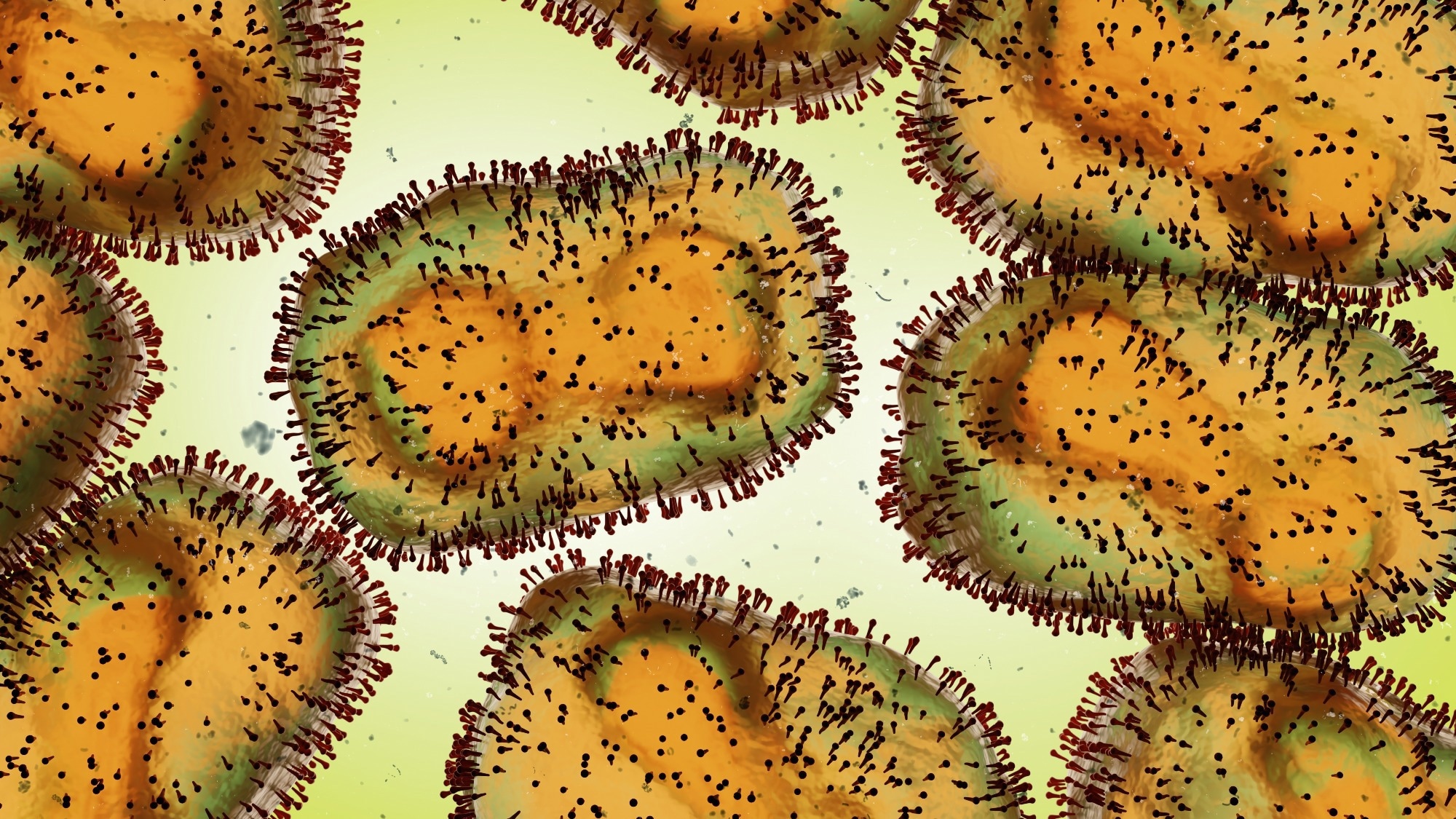
Lernen: Affenpockenvirus-Infektion durch einen berufsbedingten Nadelstich – Florida, 2022. Bildnachweis: Dotted Yeti/Shutterstock
Work-related exposure incident
The report described a case in which an emergency room nurse in Florida was exposed to the monkeypox virus through a needlestick injury while collecting swab samples from a patient suspected of having monkeypox. A needle was used to open one of the skin lesions to collect a swab sample of the lesion fluid. The injury occurred when the nurse put the cap back on the used needle before disposal. The needle pierced the skin on the nurse's index finger through the glove, causing minor bleeding. Immediately measures were taken to wash and disinfect the area with soap and water and a 10% povidone-iodine solution.
The swabs taken from the patient were analyzed using real-time polymerase chain reaction (rtPCR) and they tested positive for West African monkeypox virus clade II. The nurse was administered the first dose of JYNNEOS vaccination as prophylactic post-exposure treatment within 15 hours of exposure and was monitored for symptoms by the county health department and the hospital's infectious disease specialist.
Ten days after exposure, a skin lesion developed at the injury site. The lesion was swabbed and tested by PCR, and several swabs tested positive for non-variola orthopoxvirus and monkeypoxvirus. The lesion grew over the next 19 days. It lodged deeply, forming a depression in the center and forming pus. The lesion eventually crusted over and new skin grew beneath the scab. The nurse did not develop any further lesions or clinical symptoms and no orthopoxvirus-specific antiviral medications such as tecovirimat were administered. Additionally, no secondary cases emerged from this exposure.
CDC Advisory
The CDC recommended not opening or suctioning monkeypox skin lesions with sharp instruments such as needles to collect swab samples to avoid injury when reclosing or handling the instruments.
Data from monkeypox testing during the 2022 US outbreak showed that swab samples from skin and mucosal lesions showed very low cycle thresholds during qPCR, meaning sufficient viral material was recovered for final testing without the need to expose skin lesions. Thoroughly wiping the surface of the lesion provides enough samples for reliable test results, eliminating the risk of injury and accidental exposure.
The CDC also advised health authorities to ensure that health care personnel are adequately trained in specimen collection methods and infection prevention protocols when caring for a patient with monkeypox. Additionally, the CDC recommends that healthcare professionals take strict measures to safely dispose of sharps when sharps are used in other patient care procedures.
Additionally, healthcare workers with known exposure should be tested and receive prophylactic treatments immediately after exposure.
Conclusions
In summary, this CDC recommendation recommends that skin lesions in monkeypox patients not be covered or suctioned to obtain swab samples following accidental occupational exposure to the virus through a needle stick injury.
The CDC stated that swab samples from the skin of the lesions provide sufficient viral material for a reliable positive qPCR test without the need to open the lesions.
Reference:
- Mendoza, R., Petras, JK, Jenkins, P., et al. (2022). Infektion mit dem Affenpockenvirus infolge eines berufsbedingten Nadelstichs – Florida. Wochenbericht über Morbidität und Mortalität (MMWR). doi: http://dx.doi.org/10.15585/mmwr.mm7142e2 https://www.cdc.gov/mmwr/volumes/71/wr/mm7142e2.htm?s_cid=mm7142e2_w
.