

 Suche
Suche
 Mein Konto
Avian influenza virus introduced to North America from Europe via Iceland

A recent study published in Emerging Infectious Diseases indicated that Iceland was the springboard for the translocation of the highly pathogenic avian influenza virus (HPAIV) between North America and Europe. Learning: Iceland as a springboard for the spread of the highly pathogenic bird flu virus between Europe and North America. Image credit: David Brace/Shutterstock HPAIVs of the hemagglutinin-5 (H5) subtype with zoonotic potential emerged from domestic geese in China in the 1990s. The viral progeny have since spread and evolved into multiple clades, forming many genotypes and subgenotypes and threatening poultry production. These HPAIVs have spread to Africa since 2005 due to repeated incursions into migratory waterbirds in Asia,...

Avian influenza virus introduced to North America from Europe via Iceland
A recently published study in Emerging infectious diseases pointed out that Iceland was the springboard for the translocation of the highly pathogenic avian influenza virus (HPAIV) between North America and Europe.
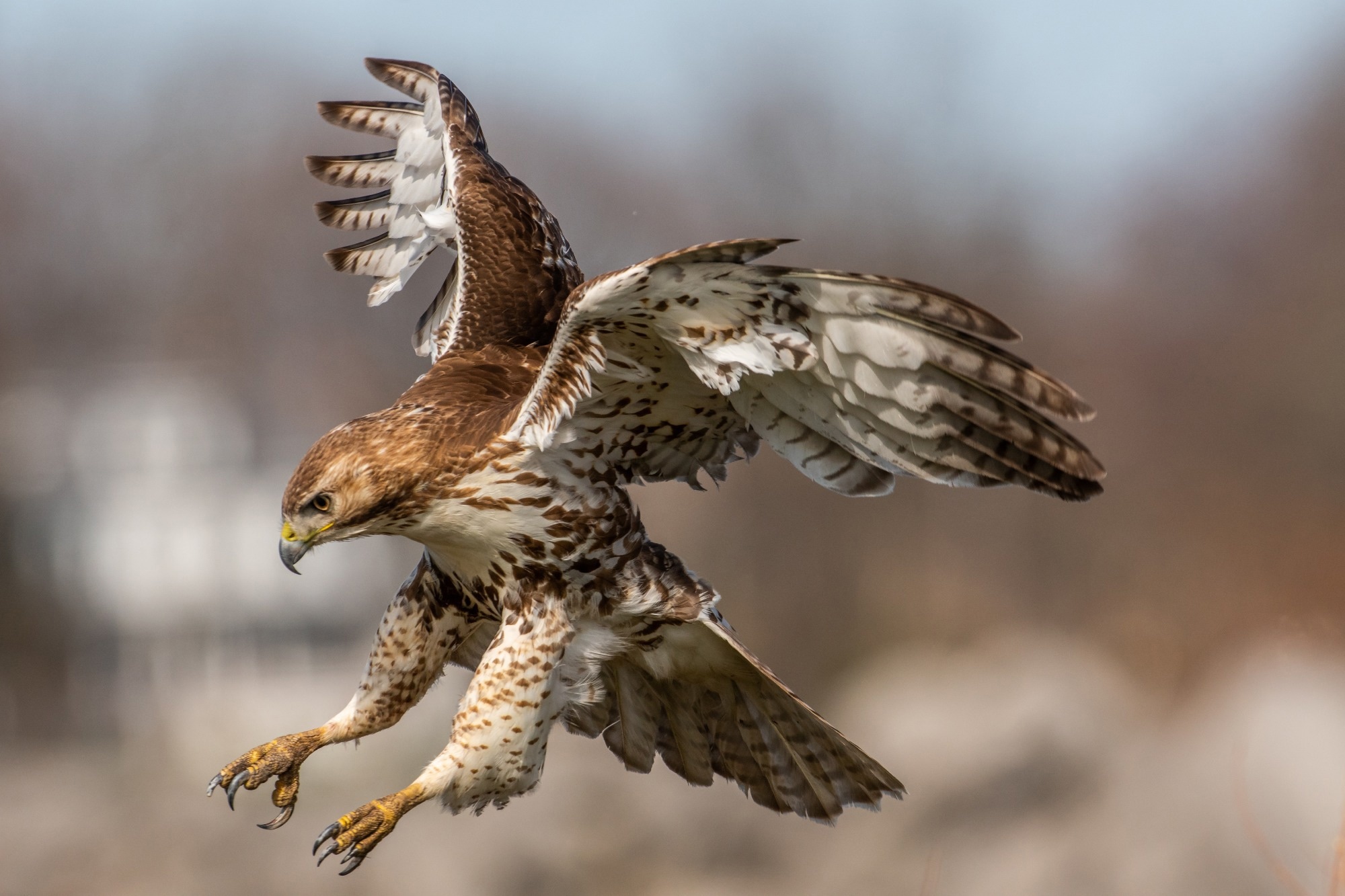
Lernen: Island als Sprungbrett für die Ausbreitung des hochpathogenen Vogelgrippevirus zwischen Europa und Nordamerika. Bildnachweis: David Brace/Shutterstock
HPAIVs of the hemagglutinin-5 (H5) subtype with zoonotic potential emerged from domestic geese in China in the 1990s. The viral progeny have since spread and evolved into multiple clades, forming many genotypes and subgenotypes and threatening poultry production. These HPAIVs have spread to Africa, Eurasia, and North America since 2005 due to repeated invasions of migratory waterbirds in Asia.
Europe witnessed severe epizootics of HPAIVs during the 2020-21 and 2021-22 winter influenza seasons, renewing concerns about the spread of HPAIVs to North America. In addition, the H5N1 virus was detected in wild birds in Canada in December 2021, with subsequent introduction to poultry farms along the eastern coast of the United States (US). Phylogenetic analyzes indicate a close relationship between the influenza viruses in North America and the H5N1 genotypes in Europe.
The study and results
The present study showed that HPAIVs were transmitted via migratory birds from Europe to North America via Iceland. A retrospective study of wild bird samples revealed a case of HPAI in a dead juvenile sea eagle in Iceland in October 2021. This bird carried a satellite transmitter as of July 2021.
The young bird died on October 8, 2021. The autopsy showed gross pathological changes such as fibrinous pericarditis and swollen liver, kidneys and spleen, indicating severe illness leading to death. Quantitative reverse transcription polymerase chain reaction assays showed high HPAIV H5N1 viral loads in all organs tested.
Veterinary officials increased passive monitoring in early 2022 with public reports of sick/dead wild birds. A pink-footed goose, a common raven and a northern gannet tested H5N1 positive in mid-April. Public awareness and reports of sick/dead birds increased significantly after this news was released. Twenty-one wild birds from ten species have tested positive for the H5N1 virus since April 2022.
The authors performed whole-genome sequencing for three samples with high viral loads. The H5N1 clade 2.3.4.4b was detected in the samples. Phylogeographic and phylogenetic analyzes showed a close relationship to the H5N1 genomes from North America and Europe, grouping into two recently defined B1 and B2 hemagglutinin clusters in the clade.
These results suggested at least two independent outbreaks of HPAIV H5N1 in Iceland. The 2021 viral genome sequence was grouped in the B1 hemagglutinin cluster among the northern European, Canadian, and eastern US coast genome sequences. Further analyzes ruled out reassortment with other avian influenza virus strains from Europe.
Time-scale analyzes showed the circulation of similar viruses from winter 2020 to spring/summer 2021 in northern Europe, suggesting that the virus spread from the British Isles through Iceland to Canada and the east coast of the United States. Since sea eagles are native species, it was unlikely that they were responsible for introducing the virus to Iceland.
The eagle's infection may have been a result of feeding on infected individuals. Some possible prey species, including seagulls, geese and shorebirds, were confirmed to be infected in spring/summer 2021; In addition, these species migrate from the North Sea region and the British Isles.
Additionally, H5N1 genomes isolated from two chickens were sequenced. This provided evidence for a further independent invasion of the hemagglutinin B2 cluster viruses. Phylogeographic analysis showed that the virus was introduced to Central Europe from Northern Asia. B2 cluster viruses have not yet been reported in North America.
Conclusions
The study provided evidence of two independent translocation events for H5N1 class 2.3.4.4b viruses from Europe to Iceland via the British Isles in October 2021. The breeding colonies of pelagic birds are located along the North Atlantic coast. Daily reports of sick/dead gannets and H5N1 infections of gannet carcasses since April 2022 indicate a possible threat of a large-scale HPAIV outbreak. Therefore, passive monitoring efforts must focus on colony-nesting and scavenging species.
Reference:
- Günther A., Krone O., Svansson V., Pohlmann A., King J., Hallgrimsson GT, et al. (2022). Island als Sprungbrett für die Ausbreitung des hochpathogenen Vogelgrippevirus zwischen Europa und Nordamerika. Neu auftretende Infektionskrankheiten. https://wwwnc.cdc.gov/eid/article/28/12/22-1086_article
.