

 Suche
Suche
 Mein Konto
Does a vasectomy change the sperm microbiome?

The microbiome consists of symbiotic, pathogenic and commensal microorganisms that inhabit the human body and contribute to its health and disease status. Recent technological advances have helped to elucidate the metabolic functions, symbiotic states, and nature of interaction of these bacterial organisms with host cells. In the United States alone, more than 500,000 men undergo vasectomies each year, which alters the pH, viscosity and prostaglandin levels of semen. After a vasectomy, the change in semen prostaglandin levels could cause changes in the semen microbiome, which can promote inflammation and autoimmunity. Learn: Pilot Study: Next-Generation Sequencing of the Semen Microbiome in Vasectomized Versus Nonvasectomized Men. Photo credit: Mayboon/Shutterstock.com Background Although...

Does a vasectomy change the sperm microbiome?
The microbiome consists of symbiotic, pathogenic and commensal microorganisms that inhabit the human body and contribute to its health and disease status. Recent technological advances have helped to elucidate the metabolic functions, symbiotic states, and nature of interaction of these bacterial organisms with host cells.
In the United States alone, more than 500,000 men undergo vasectomies each year, which alters the pH, viscosity and prostaglandin levels of semen. After a vasectomy, the change in semen prostaglandin levels could cause changes in the semen microbiome, which can promote inflammation and autoimmunity.
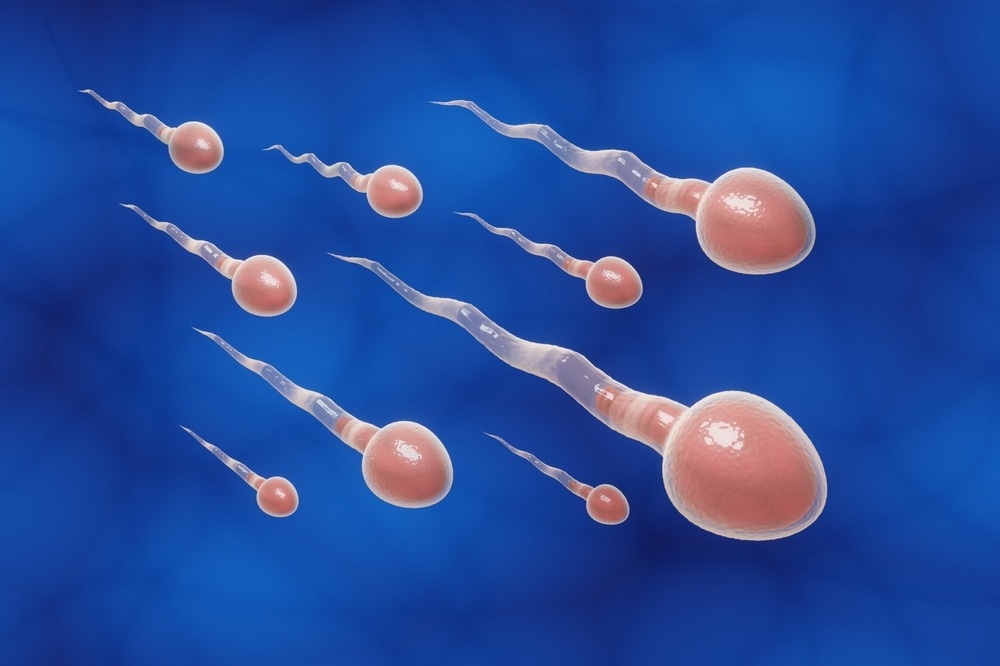
Learn: Pilot study: Next-generation sequencing of the semen microbiome in vasectomized versus non-vasectomized men.Photo credit: Mayboon/Shutterstock.com
background
Although semen was once considered a sterile fluid, recent microscopic studies have refuted this by demonstrating the presence of microbes independent of the lower urinary tract microbiota. In addition to microscopic studies, the development of microbial detection methods such as next-generation sequencing (NGS) has increased research into the seed microbiome.
Previous studies have shown that Lactobacillus and Gardnerella are the two most abundant bacteria in high-quality sperm, while Prevotella is abundant in low-quality sperm.
The semen microbiome has been linked not only to fertility, but also to the occurrence of prostatitis and prostate cancer. For example, microbiome dysbiosis in the prostate leads to metabolic changes and systemic inflammation that can cause cancer. Similarly, a significant reduction in Lactobacillus iner in semen was observed in chronic prostatitis.
There is little evidence of factors that alter the semen microbiome and its impact on a man's health. Furthermore, the effects of long-term dysbiosis on the seed microbiome have not been studied in a larger population.
About studying
A recent one Focus on European Urology Journal study examines changes in semen microbiome before and after vasectomy. In addition, the sperm microbiome profile was also developed for vasectomized men.
This prospective study included 58 outpatient men who were grouped based on different treatments and procedures. Group 1 consisted of 22 men who underwent fertility testing and were found to have normozoospermic sperm, as defined by normal sperm count and motility.
Group 2 included men who wanted to undergo a vasectomy. This group provided semen samples before and three months after the procedure.
Group 3 included men who underwent semen analysis three months after vasectomy. In this study, the average age of the non-vasectomized group was 37 years and that of the vasectomized group was 38 years.
The authors obtained relevant clinical data from participants' medical records, including recent antibiotic use and post-vasectomy complications. In addition, all seed samples were subjected to 16S ribosomal ribonucleic acid (rRNA) sequencing and bioinformatically processed.
Study results
A total of 76 semen samples were collected from 58 participants. Approximately 89% of the study cohort were Caucasian and 50% were non-Hispanic. None of the participants experienced any intraoperative or postoperative complications.
Samples from two participants were excluded from the study because microbes were not detected by NGS either before or after vasectomy. After vasectomy, a decrease in Brevundimonas, Sphingomonas and Paracoccus was observed with a concomitant increase in Corynebacterium.
Changes in the urogenital microbiome after vasectomy were analyzed. For this purpose, a rich microbiome in the sperm, in which Firmicutes, Bacteroidetes, Proteobacteria and Actinobacteria are predominant.
Compared to post-vasectomy samples, pre-vasectomy samples had a higher number of operational taxonomic units (OTU). Therefore, a reduction in OTUs in the vasectomized samples represented a deficiency in the testicular/epididymal microbiome after vasectomy.
Vasectomized semen samples showed reduced α-diversity and showed a high probability of sperm deficiency. This was similar to nonobstructive azoospermia (NOA); However, further research is required to elucidate the underlying mechanism for this condition.
No significant change in b-diversity was observed in the vasectomy group, suggesting that sperm microbiome communities remained similar after male sterilization.
Notably, the overall abundance of species, genera, and strains was comparable between vasectomized and nonvasectomized groups. Taken together, these results indicate a trend toward a decrease in a-diversity and preservation of b-diversity in vasectomized men.
Although microbiome composition analysis with bias correction (ANCOM-BC) revealed different concentrations of some genera and species in vasectomized and nonvasectomized samples, the prevalence of these genera and species was significantly low in both samples.
Conclusions
The current study provided insights into the microbiome environment before and after vasectomy. However, the role and frequency of individual pathogens before and after surgery need to be investigated in the future.
The fundamental limitations of this study include the small sample size and low radical diversity in the study population, which limits the generalizability of these results. Therefore, future longitudinal studies are needed to minimize the risk of biased assessment and evaluate the long-term effects of the vasectomy procedure.
The authors also failed to eliminate urethral bacteria that may be present in the semen microbiome.
Reference:
- Suarez Arbelaez, MC, Israeli, JM, Tipton, CD, et al. (2022) Pilotstudie: Next-Generation-Sequenzierung des Samenmikrobioms bei Männern mit Vasektomie und ohne Vasektomie. Schwerpunkt Europäische Urologie. doi:10.1016/j.euf.2022.11.010
.