

 Suche
Suche
 Mein Konto
Does psychological and biological stress in the mother influence the composition of breast milk?

In a recent study published in Clinical Nutrition, researchers examined the influence of biological and psychological postpartum maternal stress on the fatty acid composition of breast milk in a prospective cohort study in Amsterdam. Study: Maternal stress in the postpartum period is associated with altered fatty acid composition of breast milk. Photo credit: Ko Poom/Shutterstock Background Maternal postpartum stress is known to affect infant health, as developmental stress potentially increases the child's risk of a variety of metabolic and psychological disorders. One of the proposed mechanisms for the transmission of maternal stress to the newborn is changes in the composition of breast milk, ...

Does psychological and biological stress in the mother influence the composition of breast milk?
In a recent study published in Clinical nutrition In a prospective cohort study in Amsterdam, researchers examined the influence of biological and psychological postpartum maternal stress on the fatty acid composition of breast milk.
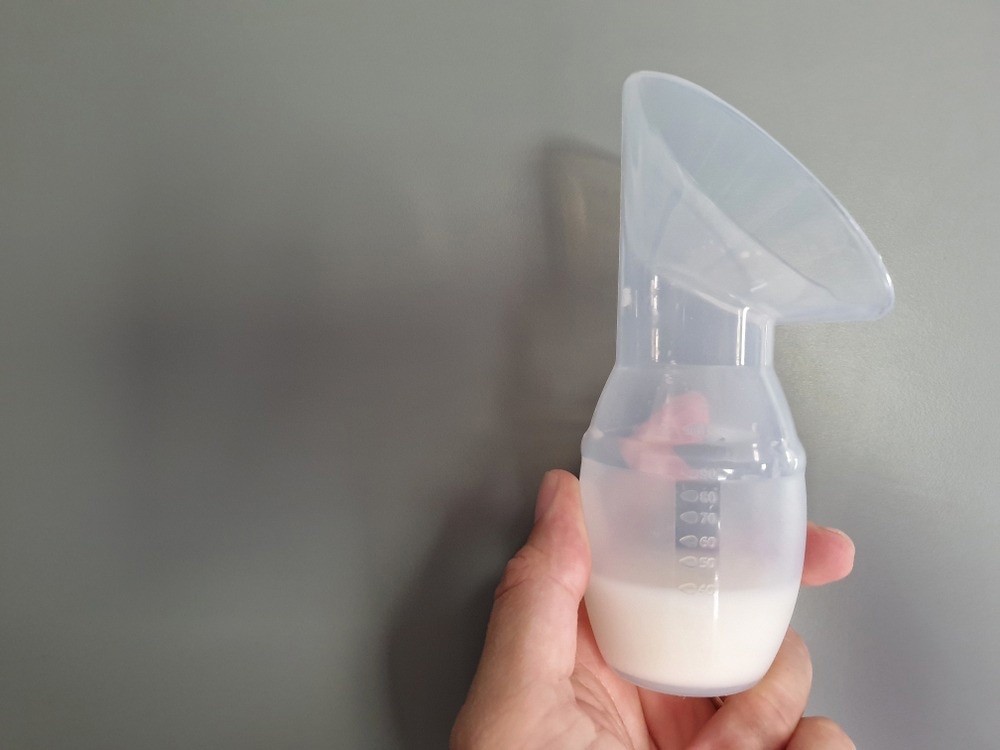
Studie: Mütterlicher Stress in der Zeit nach der Geburt ist mit einer veränderten Fettsäurezusammensetzung der Muttermilch verbunden. Bildnachweis: Ko Poom/Shutterstock
background
Maternal postpartum stress is known to affect infant health, as stress during the developmental period potentially increases the child's risk of a variety of metabolic and psychological disorders.
One of the proposed mechanisms for the transmission of maternal stress to the newborn is changes in the composition of breast milk, particularly in the fatty acid content. Studies have shown that fatty acids are essential for healthy infant development and inadequate levels of fatty acids in the diet increase the risk of disease later in life.
Experiments in animal models have shown that stress during early development leads to low levels of polyunsaturated fatty acids in plasma and brain. While various factors such as body mass index, genetics, and maternal diet can influence the fatty acid composition of breast milk, emerging evidence suggests that the psychopathologies of postpartum stress can alter the fatty acid composition of breast milk. However, there is a lack of conclusive studies on how stress affects the fatty acid composition of breast milk.
About the study
The present prospective cohort study, the Amsterdam Breast Milk Study, recruited pregnant or new mothers aged 18 years or older who planned to breastfeed their infants for at least the first month. Mothers with gestational diabetes mellitus or taking glucocorticoids or psychopharmaceutical medications were excluded, as were newborns with serious congenital disorders or diseases that shortened their life expectancy to less than one month.
The study included two groups of new mothers to cover a wide range of stress levels. This high-stress group consisted of mothers whose infants had been hospitalized for at least two days and a control group consisting of mothers with healthy infants.
Perceptions of psychological stress were assessed using a validated questionnaire to assess factors such as early stress due to abuse, neglect, or trauma, lifetime stress exposure, and situational stress levels. The questionnaire also assessed anxiety, postnatal depression and mothers' nutritional intake.
Hair samples were taken once before ten days after birth to measure cortisol and cortisone levels, which served as a baseline for stress in the last trimester. Two and three saliva and milk samples were collected on days 10, 17, and 24 postpartum, respectively. Saliva swabs were collected to measure the cortisol awakening response. Milk samples were used to determine fatty acid and cortisol levels.
Results
The results showed that maternal postpartum stress was correlated with lower concentrations of total fatty acids, monounsaturated fatty acids, saturated fatty acids, long-chain polyunsaturated fatty acids and omega-6 polyunsaturated fatty acids (n6) in mature milk (collected on days 17 and 24), but not in transitional milk (collected on day 10).
The absolute concentrations of total fatty acids, polyunsaturated fatty acids and omega-6 polyunsaturated fatty acids were lower in the high-risk group compared to the control group. The relative concentrations of fatty acids and cortisol levels did not differ between the high-risk group and the control group.
Analysis of perceived psychological stress revealed that lifelong stress negatively affected levels of omega-6 polyunsaturated fatty acids and linoleic acid, as well as the ratio of omega-3 to omega-6 polyunsaturated fatty acids. Recent depression, anxiety, and perceived stress had no effect on breast milk fatty acids. The authors noted that other lifestyle factors and dietary intake could also indirectly influence the concentration of fatty acids in breast milk.
Conclusions
Overall, the study showed that maternal postpartum stress resulted in lower concentrations of saturated, long-chain polyunsaturated, monounsaturated and omega-6 polyunsaturated fatty acids in mature breast milk. The authors believe that the low levels of fatty acids in breast milk could transmit stress signals to the infant.
Additionally, the study found that recent perceived stress, anxiety, and depression had no effect on fatty acid concentrations in breast milk. Nevertheless, a history of stress had a negative impact on the composition of breast milk. According to the authors, chronic stress could lead to physiological and metabolic changes in the mother's body, which are noticeable in postpartum stress.
Reference:
- Juncker, H. et al. (2022) „Mütterlicher Stress in der Zeit nach der Geburt ist mit einer veränderten Fettsäurezusammensetzung der Muttermilch verbunden“, Clinical Nutrition. doi: 10.1016/j.clnu.2022.09.013. https://www.sciencedirect.com/science/article/pii/S0261561422003454