

 Suche
Suche
 Mein Konto
Exploring new therapeutic targets and biomarkers for neurodegenerative diseases

Insights from the industryDr. Shebna MasseyAssociate Product ManagerSino Biological US Inc. In this interview, Dr. Shebna Massey on neurodegenerative diseases such as Alzheimer's, Parkinson's, Huntington's and more. She also discusses and researches new therapeutic targets and biomarkers for these diseases. How much is known about the etiology and pathogenesis of neurodegenerative diseases? Increasing life expectancy has led to silently progressive neurodegenerative diseases becoming increasingly important worldwide. The combined effects of genetic aberrations, environmental factors and age are mainly attributed to the occurrence of neurodegenerative diseases such as Alzheimer's disease (AD), Parkinson's disease (PD), Huntington's disease (HD) and amyotrophic lateral sclerosis (ALS). The progressive loss...

Exploring new therapeutic targets and biomarkers for neurodegenerative diseases

In this interview Dr. Shebna Massey on neurodegenerative diseases such as Alzheimer's, Parkinson's, Huntington's and more. She also discusses and researches new therapeutic targets and biomarkers for these diseases.
How much is known about the etiology and pathogenesis of neurodegenerative diseases?
Increasing life expectancy has led to silently progressive neurodegenerative diseases becoming increasingly important worldwide.
The combined effects of genetic aberrations, environmental factors and age are mainly attributed to the occurrence of neurodegenerative diseases such as Alzheimer's disease (AD), Parkinson's disease (PD), Huntington's disease (HD) and amyotrophic lateral sclerosis (ALS).
The progressive loss of neurons, the dysfunction of glial cells and the disruption of synaptic connections in the brain and spinal cord characterize these diseases pathologically.
Some new paradigm-shifting etiological views propose that cardiovascular disease is the basis for homeostatic disturbances of various proteins that impair cognitive function.
There are also studies highlighting the immunomodulatory functions of the gut-brain axis. An integrated and innovative approach is required to integrate these views into traditional and classical etiological views and research neurodegenerative diseases.
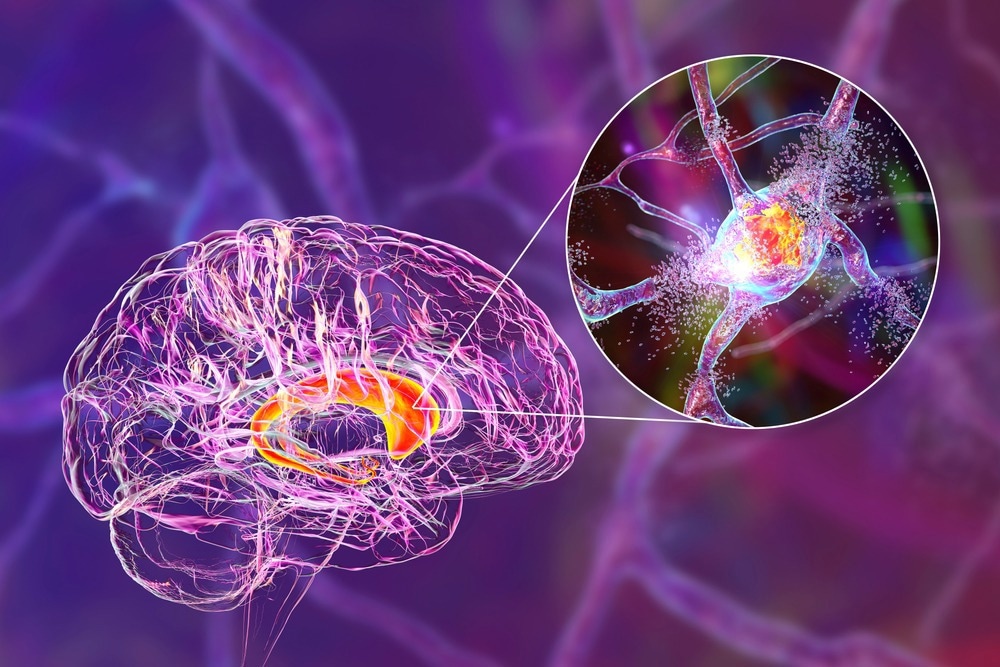
Photo credit: Kateryna Kon/Shutterstock.com
What are the common therapeutic targets in neurodegenerative diseases? What stages of development are they in?
Neurodegenerative diseases are identified based on the association of abnormally conformed toxic proteins such as tauopathies, α-synucleinopathies, TDP-43 proteinopathies and FUS/FET proteinopathies, where the associated proteins are tau, α-synuclein, TDP-43 and FUS/FET.
The aggregation of these abnormal proteins leads to the formation of tangles and plaques that cause neurodegeneration. One of the most popular proteins associated with neurodegenerative diseases is amyloid-beta, which is often detected as a co-accumulating protein with tau in Alzheimer's disease.
Amyloid and tau proteins have been established as therapeutic targets through research. Immunotherapy is the most advanced approach in the drug development phase for most of these targets, but vaccines and humanized antibodies also target disease-associated proteins.
Experimental Alzheimer's drugs that target the tau protein entered clinical trials this year. They will be studied over the next ten years as part of the Dominantly Inherited Alzheimer Network Trials Unit (DIAN-TU) studies. A promising antibody, gantenerumab, targeting amyloid, also achieved success in a Phase 2/3 clinical trial under the same program.
Amyloid plaques are associated with several Neurodegenerative diseases meaning successful treatments provide hope that similar conditions can be cured.
The world's leading provider of recombinant technologyPlay
Video credit: Sino Biological Inc.
Many drugs targeting amyloid-β (Aβ) in Alzheimer's disease (AD) have not shown clinical efficacy. Does this indicate the need for the discovery of new targets? What is the current status in this regard?
Amyloid plaques were first described in patients with dementia in the 19th century. Since then, the protein amyloid-β (Aβ), which promotes the formation of these plaques, has been studied and observed as a critical step in the pathogenesis of many neurodegenerative diseases, particularly AD.
However, most treatments targeting Aβ have not been clinically successful. This has raised the idea that these aggregation events may be preceded and, more importantly, dominated by other significant events regulating this protein.
A recent study published in Nature Neuroscience has challenged the conventionally accepted sequence of events leading to plaque formation, with Aβ thought to trigger the domino effect of neurodegeneration.
This study has instead linked autophagy dysfunction to amyloid plaque formation with strong in vivo evidence from five different mouse models. This requires further investigation to identify a key target that can be validated and scaled up to clinical trials.
Co-aggregation with Aβ also makes tau a preferred therapeutic target. Clinical studies of tau as a target of antibodies or radiotracers in positron emission tomography (PET) make it a strong alternative candidate. Of all clinical trials focused on AD, 40% focus on Aβ and 18% on tau.
Some small molecule inhibitors are being tested for targets in neuroprotection, neuroinflammation, growth factors, and neurometabolic and cardiovascular pathways, including molecules such as IL-6, IFNGR1, p75NTR, APOE, GSK3β, ADRA2B, and CSF factors.
What models, tools and research strategies are used for drug target discovery in neurodegenerative diseases?
The traditional approaches to drug discovery compared affected individuals with control groups to identify symptomatic, physiological and genetic differences to identify the disease states.
New methods focus on the genetic and anatomical assessment of vulnerable and resistant neuronal populations from the same individual to find the physiological and genetic uniqueness that makes one region susceptible to disease and the other protected from pathogenesis.
The current studies are more comprehensive; Instead of just examining one stage of the disease, they should recapitulate the stages before and after the onset of the disease as well as the course of the disease.
Higher throughput approaches are being used, including whole gene expression analysis and genome-scale RNA profiling.
In silico models and experimental strategies are used for drug target discovery to save time and cost of experiments on large data sets generated by next-generation sequencing and large-scale neuroimaging profiling.
They are combined with molecular docking to predict molecular conformation and optimize drug-target interactions of large libraries of compounds before transferring different molecule-drug combinations and testing them in vivo.
These strategies are intended to bridge the large gap between the design, production and testing of effective drugs for neurodegenerative diseases.
What advances are there in biomarkers and monitoring of neurodegenerative diseases?
Early diagnosis is crucial for providing well-designed and appropriate treatment plans to prevent disease progression. The current biomarkers in neurodegenerative diseases are mainly amyloid-β plaques and tau tangles, which are detected in magnetic resonance imaging (MRI) and positron emission tomography (PET).
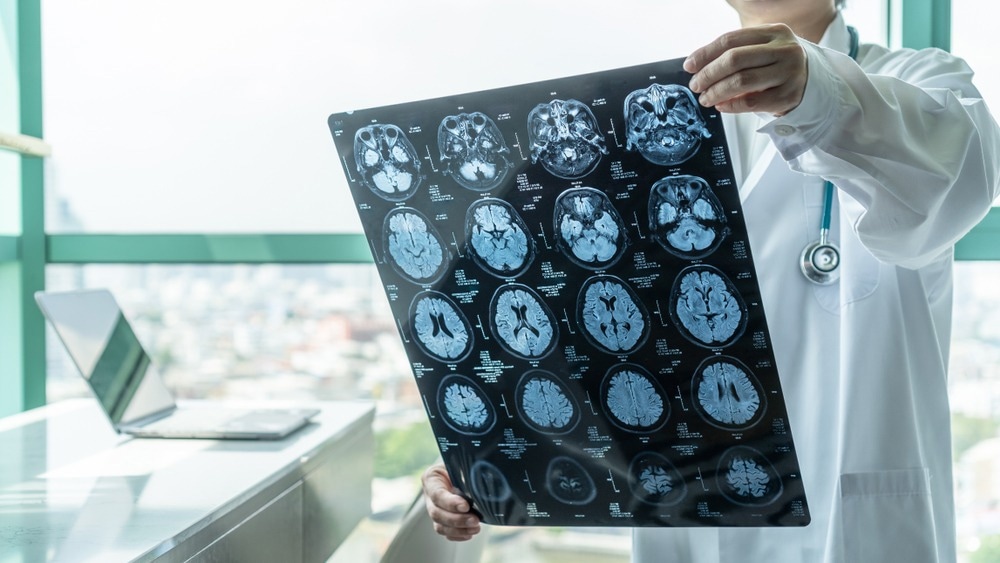
Photo credit: Chinnapong/Shutterstock.com
These markers have effectively improved the diagnosis and treatment outcomes of Alzheimer's disease. However, the most promising biomarkers such as TREM2, α-synuclein and SV2A have not shown sufficient specificity and sensitivity in clinical tests and are still under investigation.
Ubiquitin levels are also suggested as biomarkers for monitoring disease progression, along with Neurofilament Light, FYN and BACE1.
During the pandemic, some significant progress has been made in establishing blood-based biomarkers. These blood tests can detect AD-specific phosphorylated form of tau in the blood.
These biomarkers are detectable early in the disease, meaning they have the potential to be a good diagnostic and prevent disease progression.
What does the future hold for the discovery and implementation of novel biomarkers in neurodegenerative diseases?
Recently, the study of neuroinflammatory and neurovascular molecules as potential biomarkers is steadily increasing. Some proposed biomarkers and drug targets are TREM2, GFAP, MCP-1, MAPK1, VEGFR1 and FGFR1.
Targeting these molecules is intended to reduce neuroinflammation, improve blood-brain barrier functions, and prevent neurodegeneration.
As our understanding of the pathogenesis of neurodegenerative diseases increases, the treatment strategy is shifting towards enhancing the cells' neuroprotective mechanisms. Growth factors such as BDNF, NGF and GDNF help neurons survive, maintain and regenerate, making them potential therapies for neurodegenerative diseases.
Clinical trials for GDNF (a treatment for Parkinson's disease), NGF (a cure for Alzheimer's disease), and BDNF (a treatment for AD and PD) are underway. When it comes to neuroimaging and the treatment of neurodegenerative diseases, non-invasive, cell state-specific novel PET ligands have enormous potential.
Sino Biological helps scientists advance research into neurodegenerative diseases by providing high-quality recombinant proteins, antibodies, ELISA kits, genetic products and CRO services.
About Dr. Massey![]()
Dr. Massey received her bachelor's degree from the University of Houston-Downtown and her Ph.D. in integrative molecular and biomedical sciences from Baylor College of Medicine. Her dissertation work focused on establishing a drug-controlled post-transcriptional regulatory program in breast cancer metastases. She currently works as an Associate Product Manager at Sino Biological US Inc., Houston. She is interested in scientific advances in drug discovery and cancer immunotherapy.
UmSino Biological Inc.
Chinese organic is an international supplier and service provider for reagents. The company specializes in the production of recombinant proteins and the development of antibodies. All Sino Biological products are independently developed and produced, including recombinant proteins, antibodies and cDNA clones. Sino Biological is researchers' one-stop technical services shop for the advanced technology platforms they need to make progress. In addition, Sino Biological provides pharmaceutical companies and biotechnology companies with preclinical production technology services for hundreds of monoclonal antibody drug candidates.
The core business of Sino Biological
Sino Biological is committed to providing high quality recombinant protein and antibody reagents and being a one-stop shop for technical services for life science researchers around the world. All of our products are developed and produced in-house. We also provide pharmaceutical and biotechnology companies with preclinical production technology services for hundreds of monoclonal antibody drug candidates. Our product quality control indicators meet the strict requirements for samples for clinical use. It only takes a few weeks for us to produce 1 to 30 grams of purified monoclonal antibody from gene sequencing.
Sponsored Content Policy:News-Medical.net publishes articles and related content, which may come from sources with which we have existing business relationships, provided that such content adds value to News-Medical.Net's core editorial ethos, which is to educate and inform website visitors interested in medical research, science, medical devices and treatments.
.