

 Suche
Suche
 Mein Konto
Newly developed peptides could prevent the superbug crisis

Infections with multidrug-resistant (MDR) organisms such as Klebsiella pneumoniae, Pseudomonas aeruginosa, Enterococcus faecium, Escherichia coli (ESKAPEE pathogen), Staphylococcus aureus, Enterobacter spp. and Acinetobacter baumannii pose a significant public health threat to the global population. However, there are currently no drugs available that can effectively resist MDR organisms. Study: Engineered peptide PLG0206 overcomes the limitations of a challenging antimicrobial drug class. Image source: Christoph Burgstedt / Shutterstock.com Background Almost forty years have passed since the discovery of carbapenems. However, despite the effectiveness of these antibiotics, there remains an urgent need for new and effective antimicrobial agents that can effectively combat antibiotic-resistant microorganisms. Naturally occurring antimicrobial peptides (AMP)...

Newly developed peptides could prevent the superbug crisis
Infections with multidrug-resistant (MDR) organisms such as Klebsiella pneumoniae, Pseudomonas aeruginosa, Enterococcus faecium, Escherichia coli (ESKAPEE pathogen), Staphylococcus aureus, Enterobacter spp. and Acinetobacter baumannii pose a significant public health threat to the global population. However, there are currently no drugs available that can effectively resist MDR organisms.
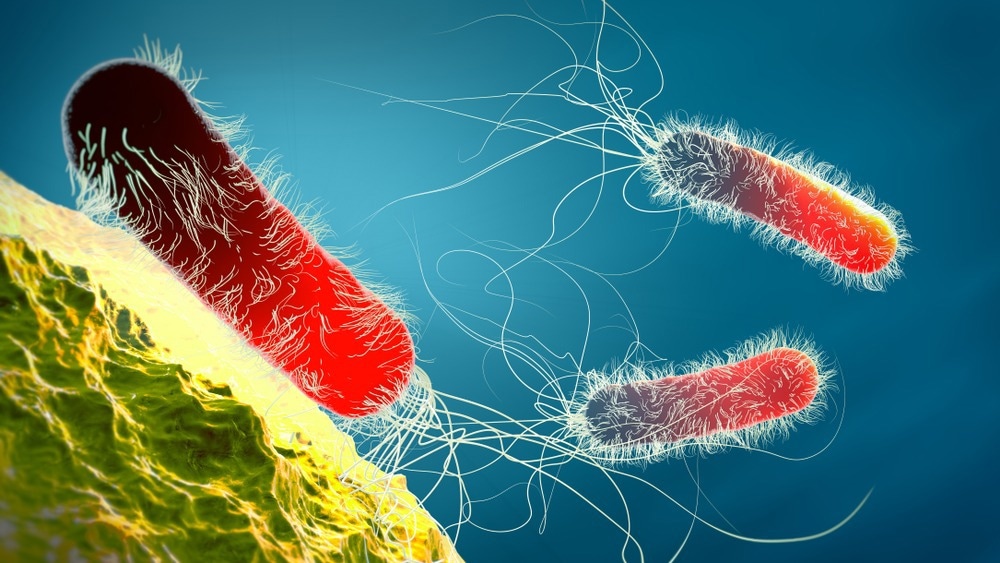
Study: The engineered peptide PLG0206 overcomes the limitations of a challenging antimicrobial drug class.Image source: Christoph Burgstedt / Shutterstock.com
background
Almost forty years have passed since the discovery of carbapenems. However, despite the effectiveness of these antibiotics, there remains an urgent need for new and effective antimicrobial agents that can effectively combat antibiotic-resistant microorganisms.
Naturally occurring antimicrobial peptides (AMP) have demonstrated intrinsic defense mechanisms against numerous species. The lack of clinical development of AMPs has been attributed to their toxicity, limited in vivo activity, lack of systemic activity, and suboptimal pharmacokinetic (PK) properties.
A recent one Plus one Study reports the development of a synthetic antibacterial peptide (PLG0206), previously known as WLBU2. The newly developed PLG0206 is an amino acid peptide composed of valine, arginine and tryptophan residues, ensuring maximum binding and interaction with the bacterial membrane and minimal toxicity. Previous research has shown that PLG0206 is effective against a broad range of pathogens, including the strongest S. aureus biofilm and P. aeruginosa.
About the study
The current study hypothesized that PLG0206 may be effective against infections caused by MDR bacteria. All preclinical evaluations of PLG0206 as well as associated in vitro and in vivo evaluations were also included in the current study. This evidence supported the claim that this antimicrobial compound was an active antibacterial agent that could overcome the limitations associated with available commercial and experimental antibiotics.
Most conventional antibiotics lose their effectiveness against bacterial biofilms compared to planktonic cells. With this limitation in mind, the present study utilized a large clinical isolate library of ESKAPEE pathogens to determine whether PLG0206 possesses rapid, broad-spectrum bactericidal activity against both Gram-positive and Gram-negative MDR pathogens at both the biofilm and planktonic growth stages.
The main advantage of PLG0206 is its rational design, which allows it to overcome many shortcomings associated with conventional antibiotics and AMPs, including lack of anti-biofilm activity and pathogen resistance.
Study results
In vivo experiments using various animal models showed that PLG0206 was effective against MDR infections. For example, a large animal model of periprosthetic joint infection (PJI) demonstrated the effectiveness of PLG0206 in reducing biofilm-based S. aureus infections. Similar results were obtained in a mouse model of uropathogenic E. coli urinary tract infection (TUI) treated with PLG0206.
Animal model-based experiments also demonstrated a low toxic profile for systemic and local use of PLG0206. A large PJI animal model study in rabbits confirmed the ability of PLG0206 to maintain biofilm-associated activity without apparent toxicity. Notably, all animals showed increased survival after a single treatment with PLG0206 following S. aureus infection.
A mouse model revealed that systematic administration of PLG0206 could more effectively reduce bacterial loads in both the bladder and kidneys compared to antibiotic control. In addition, PLG0206 was found to be safe and well tolerated in people who received the drug intravenously (IV). This clinical study revealed linear PK characteristics with a mean terminal half-life ranging from 6.5 to 11.2 hours when single intravenous doses ranging from 0.05 to 1 mg/kg were administered.
Compared to gram-positive bacteria, gram-negative bacteria are more likely to develop antibiotic resistance. In Spontaneous Mutation Frequency (SMF) studies, elevated PLG0206 MIC values indicated that Gram-positive pathogens did not produce spontaneous mutants; However, this was not the case for P. aeruginosa.
An optimal concentration of PLG0206 was found to effectively reduce P. aeruginosa colonies, thereby inhibiting the development of spontaneous mutants. Unfortunately, available antimicrobial chemotherapeutic agents are unable to eliminate stubborn biofilms. Scientists are currently researching the mechanism associated with PLG0206 resistance to P. aeruginosa.
Conclusions
PLG0206 was found to have broad spectrum and rapid bactericidal activity against ESKAPEE MDR microbes. In addition, this bactericidal agent was found to be effective against both biofilm and planktonic growth forms. The in vitro and in vivo evaluation of PLG0206 supported its clinical development and highlighted the importance of peptides as therapeutic agents.
Reference:
- Huang, DB, Brothers, KM, Mandell, JB, et al. (2022) Das konstruierte Peptid PLG0206 überwindet die Einschränkungen einer anspruchsvollen antimikrobiellen Wirkstoffklasse. PLUS EINS 17(9); e0274815. doi:10.1371/journal.pone.0274815