

 Suche
Suche
 Mein Konto
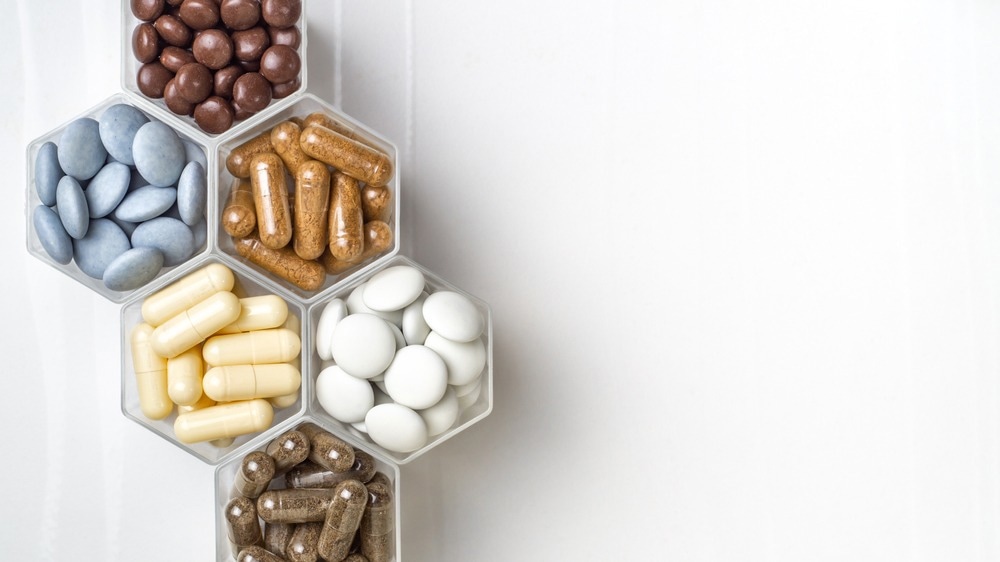
Rosuvastatin is far superior to six common heart health supplements

At the 2022 American Heart Association Scientific Sessions, researchers discuss their findings that six widely used dietary supplements often promoted as promoting heart health are actually ineffective at lowering cholesterol compared to the effects of statins. Drug Discovery E-Book Compilation of the last year's top interviews, articles and news stories. Download a free copy Image credit: Natalia Golubnycha / Shutterstock.com What is cholesterol? There are two types of cholesterol: high-density lipoprotein (HDL) and low-density lipoprotein (LDL). HDL, often considered “good” cholesterol, may protect people from atherosclerotic cardiovascular disease by reducing the buildup of plaque in the arteries...

Rosuvastatin is far superior to six common heart health supplements
At the American Heart Association Scientific Sessions 2022, researchers discuss their findings that six widely used dietary supplements often promoted as promoting heart health are actually ineffective at lowering cholesterol compared to the effects of statins.
Drug Discovery E-Book
Compilation of the top interviews, articles and news from the last year. Download a free copy
Photo credit: Natalia Golubnycha / Shutterstock.com
What is cholesterol?
There are two types of cholesterol: high-density lipoprotein (HDL) and low-density lipoprotein (LDL). HDL, often considered “good” cholesterol, may protect people from atherosclerotic cardiovascular disease by preventing plaque buildup in the arteries.
Conversely, an excessive amount of LDL, also known as “bad” cholesterol, can accumulate in the vessel walls and ultimately contribute to the formation of plaques. The buildup of these plaques in the arteries can reduce blood flow to various organs, including the heart, leg muscles, or brain. Therefore, high LDL levels of more than 130 milligrams (mg)/deciliter (dL) may indicate an increased risk of heart disease and stroke.
In 2020, there were 4.51 million deaths worldwide attributed to high LDL cholesterol, a 19% increase from 2010.”
About studying
Many supplements are promoted as “heart-healthy” due to their ability to lower cholesterol. Despite the lack of sufficient data to support these claims, many people will take these supplements believing that they are as effective, if not more effective, than cholesterol control medications approved for use by the U.S. Food and Drug Administration (FDA).
To better understand the true effectiveness of these supplements compared to a low-dose statin, researchers in the current study conducted a randomized, single-blind clinical trial that included rosuvastatin and placebo as positive and negative controls, respectively. as well as fish oil, cinnamon, garlic, turmeric, plant sterols and red yeast rice supplements.
For 28 days, study participants were randomly assigned to receive the placebo, 5 mg rosuvastatin, 2,400 mg fish oil, 2,400 mg cinnamon, 5,000 mcg garlic, 4,500 mg turmeric, 1,600 mg plant sterols, or 2,400 mg red yeast.
Study results
In the current study, called Supplements, Placebo or Rosuvastatin Study (SPORT), researchers analyzed data from 199 otherwise healthy adults between the ages of 40 and 75 with no history of cardiovascular disease. At baseline, participants' LDL levels were between 70 and 189 mg/dL and were associated with a 5 to 20% risk of developing atherosclerotic cardiovascular disease within the next ten years.
At the end of the study period, researchers found that statin recipients experienced an average reduction in their LDL levels of 37.9%. Conversely, all supplement recipients demonstrated LDL levels comparable to those of placebo recipients. Notably, HDL cholesterol levels increased in recipients of garlic supplements compared to the placebo group.
Additionally, rosuvastatin recipients showed a 19 percent reduction in blood triglyceride levels, while placebo and all supplement recipients had no difference in their triglyceride levels by day 28.
HDL cholesterol levels did not increase or decrease after statin treatment. However, plant sterols have been found to reduce HDL cholesterol levels compared to placebo recipients.
Statins, placebo and all dietary supplements had no significant effect on blood levels of inflammatory markers throughout the study period.
Learn takeaways
Despite the marketed heart-protective benefits of many supplements, these supplements are unlikely to significantly affect cholesterol levels.
However, it remains critical that people eat a nutrient-dense diet that promotes a heart-healthy lifestyle to reduce the risk of cardiovascular disease. In addition to eating various foods in moderation, the American Heart Association also emphasizes the importance of light to moderate physical activity, especially for people with high blood pressure and cholesterol levels.
The researchers note that it is possible that some supplements require a longer period of use to have a significant impact on cholesterol levels. Therefore, future studies are needed to determine the potential short- and long-term effects of these and other dietary supplements on cholesterol levels.
Sources:
- „6 gängige Nahrungsergänzungsmittel zur „Herzgesundheit“, die im Vergleich zu Statinen bei der Senkung des Cholesterinspiegels unwirksam sind“ [Online]. Verfügbar ab: https://newsroom.heart.org/news/6-common-heart-health-supplements-in Effective-at-lowering-cholesterol-compared-to-statins.
- „Cholesterin: HDL vs. LDL verstehen“ [Online]. Verfügbar ab: https://www.health.harvard.edu/blog/understanding-cholesterol-hdl-vs-ldl-2018041213608.
Reference:
- Wirkung von niedrig dosiertem Statin im Vergleich zu Placebo und sechs Nahrungsergänzungsmitteln auf Lipid- und Entzündungsbiomarker: Die randomisierte klinische Studie SPORT https://eppro02.ativ.me/src/EventPilot/php/express/web/planner.php?id=AHA22&table=agenda&tid=P21823
.